It was the mid-90s, and my father’s “gun room”—which was really just a repurposed corner of our basement that smelled vaguely of Hoppe’s No. 9 and industry-grade grease—was dominated by a singular, mechanical beast. It was a 12-gauge reloading press, bolted to a workbench that had likely survived the Great Depression. Every once in a while, he’d emerge from his lair, dust off the press, and begin the rhythmic, hypnotic cycle of reloading birdshot for an upcoming hunting trip or a weekend spent obliterating clay pigeons.
At the tender, impressionable age of eight, I was equal parts fascinated and profoundly bored. I watched him move that handle up and down, up and down, with the repetitive stoicism of a monk chanting in a monastery. My internal monologue was consistent: Why on earth would a grown man choose to spend his Saturday afternoon operating a lever in a basement when the local hardware store is literally ten minutes away and sells perfectly functional boxes of birdshot? It seemed like a frantic, unnecessary effort to solve a problem that wasn’t even a problem.
Fast forward thirty-two years. The basement is different, the technology has evolved, but the scene is eerily familiar. Today, I sit at my workbench looking at seven—yes, seven—different reloading presses, mentally auditing my inventory, trying to determine what flavor of ammunition I feel like concocting tonight. My kids, hovering in the doorway with that same glazed look of youthful confusion I once possessed, watch me with profound skepticism. The circle of life, it seems, is less about Simba being raised on a rock and more about generational confusion regarding hand-loading equipment.
The Philosophy of the Manual Laborer
You might be asking yourself the same question my eight-year-old self asked my father: Why? Why spend your precious limited hours on Earth meticulously measuring powder and seating bullets when the shelves of your local sporting goods store are stocked with thousands of factory-made rounds?
In an effort to make it sound far more philosophical and profound than it actually is—because, let’s face it, we love to romanticize our hobbies—reloading is about agency. It is about taking raw components and asserting your will upon them to create something bespoke. Literally anyone can go to the store and purchase a box of 6.5 Creedmoor, .308 Winchester, or .22 ARC. Those factory rounds are excellent—reliable, consistent, and readily available. But they are also “off the rack.” They are limited to the generic load specifications that the manufacturer deems safe for every firearm in existence.
When you “roll your own,” you aren’t just creating ammunition; you are engaging in a form of mechanical alchemy. You are optimizing. You are tuning. You are taking the good enough standard of mass production and refining it into the perfect standard of personal intent.
The Subsonic Quest
Consider the scenario of subsonic .308 Winchester. I wanted to run my Tavor 7 suppressed using an IWS .30-caliber suppressor. I scoured the local stores, reading labels until my eyes glazed over, but finding a consistent, reliable subsonic .308 load on a shelf is about as easy as finding a quiet toddler in a toy store.
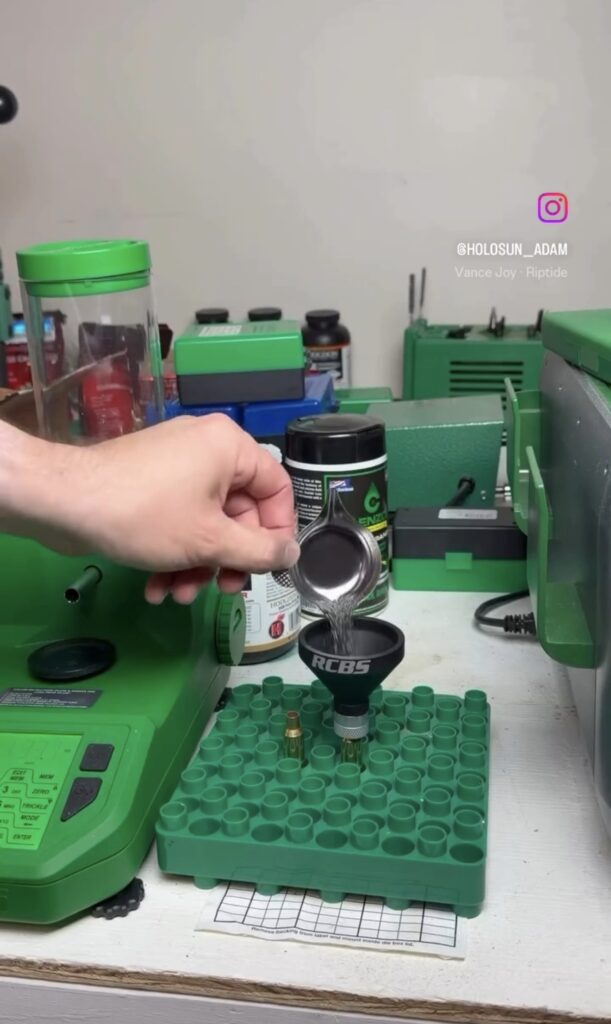
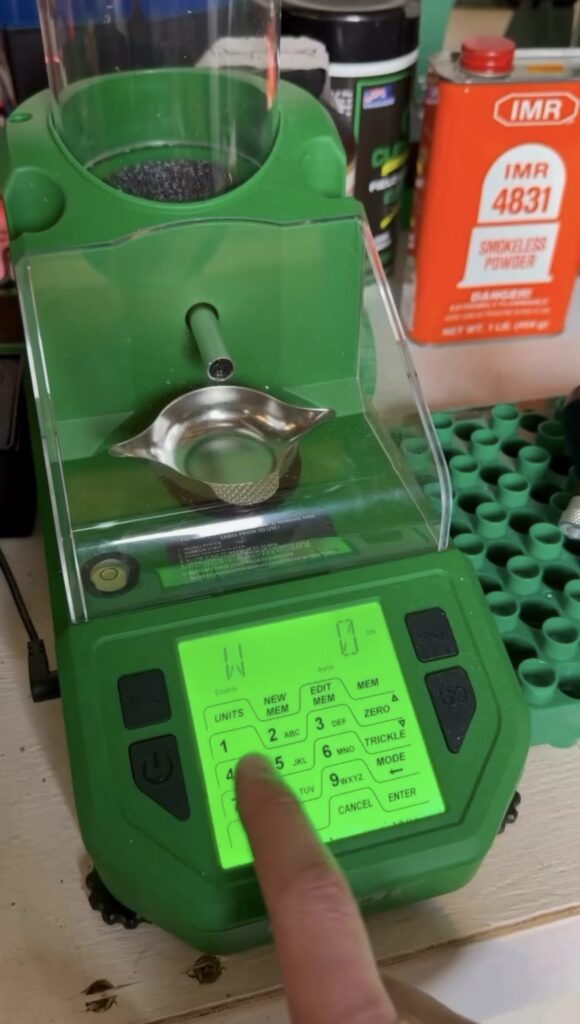
Instead of compromising, I went home. I grabbed the Hornady brass, Federal primers, Hodgdon powder, and the gold-standard Hornady bullets. I pulled out my trusty Hodgdon reloading manual—my personal bible for this project—and found a solid recipe. After a bit of calibration on my RCBS LoadMaster and a final, precise touch on the RCBS single-stage press, I was cranking out my first ten rounds of subsonic .308.
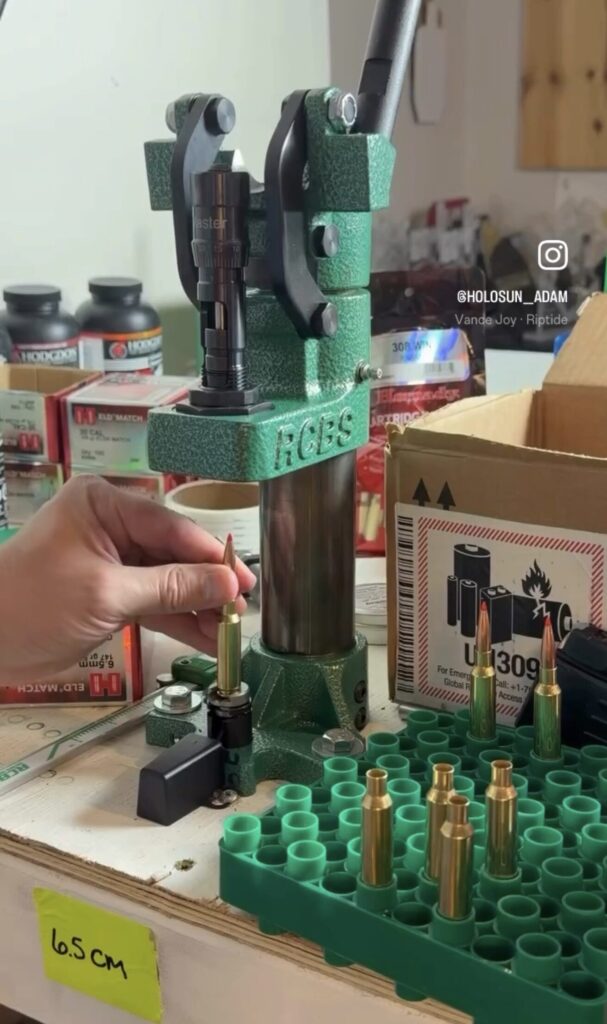
The result? The most pleasant, movie-quiet shooting experience I have ever had. It was the mechanical equivalent of a culinary masterpiece compared to a drive-thru burger. It worked because I made it work.
From Ohio to Louisiana: An Alligator-Sized Lesson
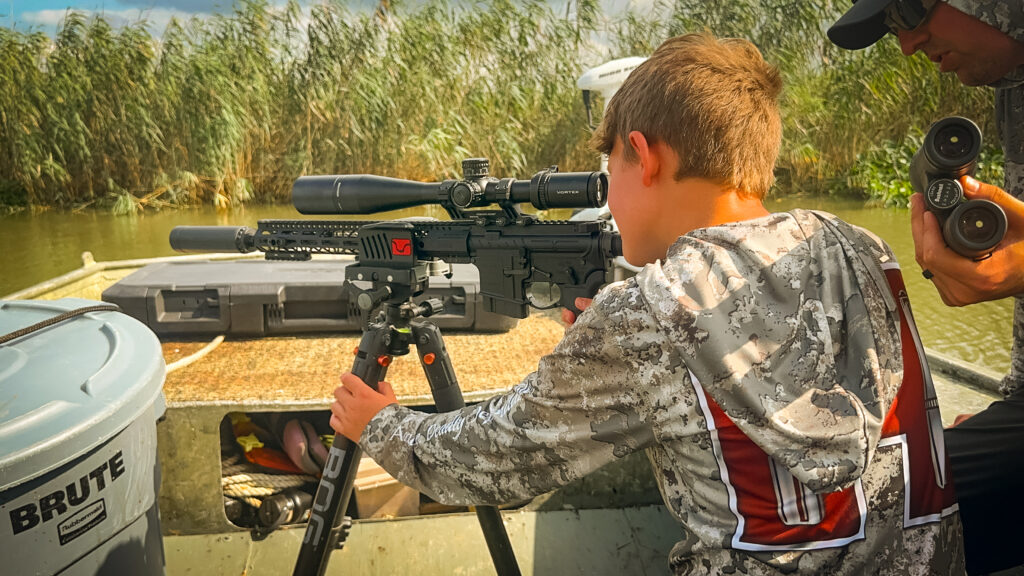
The true power of reloading, however, isn’t just about ballistic coefficients or decibel levels; it’s about the legacy you pass on. Recently, I decided to surprise my wife and kids with an alligator hunt in Louisiana. This was no small undertaking, and the logistics were daunting. I needed a rifle round powerful enough to penetrate the armored hide of an apex predator yet soft enough in recoil to be controllable by my wife and two children (ages 10 and 14).
After consulting with the geniuses at Faxon Firearms, we settled on the .22 ARC. It was the perfect platform. But the real highlight of the trip wasn’t the hunt itself—it was the prep. I brought my family into the fold. They each got to handle the process: picking their 30 pieces of Hornady brass, priming them with CCI primers, programming the RCBS LoadMaster to dispense the exact charge, and seating the bullets on the single-stage press.
When we eventually traveled from Ohio to Louisiana, those shells weren’t just “ammo.” They were the result of a family project. My children learned that you can combine disparate raw materials into a single, functional creation that serves a purpose. That is a life lesson, not just a hobby.
Think of it like Dragon Ball Z. You remember the Frieza Saga, right? Frieza is convinced he is the strongest being in the universe, a total factory-made powerhouse. Then Goku shows up—the ultimate “reloader” of combat—who spends his time constantly tinkering with his training, pushing his power level beyond the limits of what anyone thought possible.
Frieza finally realizes he’s outmatched and yells, “This can’t be happening! I am the most powerful being in the universe!” But Goku just keeps refining his technique. That’s reloading. You don’t just accept the power level the box gives you; you break your own limits. (hopefully you appreciate how hard it is to work a Dragonball Z reference into a reloading article)
The Modern Frontier
If you are reading this and feeling the itch to start, stop waiting for a sign. The era of the basement tinkerer isn’t dead; it’s thriving. No matter what press you choose, you are manufacturing “freedom seeds.”
Reloading is a skill that separates the consumer from the creator. It’s a way to act creatively, to explore new frontiers, and to build something that feels genuinely yours. It is the intellectual pursuit of the perfect shot, combined with the visceral joy of pulling a handle and watching a finished product roll off the line.

Your friends might look at you like you’ve lost your mind when you start talking about neck tension and bullet seating depth, but they will change their tune the moment they show up at the range and hear your suppressed, subsonic rounds whispering down the lane. That is the moment you win the day. You’ll be the envy of the range, and before long, you’ll be pulling your friends into the fold as well.
The gear is waiting. The manuals are written. The brass is clean. Get out there, start your own production line, and keep the tradition alive. After all, your forefathers expected you to be capable—why disappoint them now?