As the Second Amendment community welcomes a whole new wave of enthusiastic members, we are learning a delightful little truth: yesterday’s “age-old, common-knowledge topics” are today’s foreign languages. If you are new to the wonderful world of firearms, welcome! Pull up a chair. Let’s talk about brass, lead, and avoiding the dreaded buyer’s remorse.
The absolute last thing you want is to march into a local gun shop, listen to some online or in-store knucklehead tell you about the greatest whizbang caliber ever created, and drop hard-earned cash on a gun that takes specialized, unicorn-tear-priced ammunition. Worse yet? Buying something with so much recoil it makes your fillings feel like they are filing for divorce.
To keep your shoulder intact and your wallet reasonably happy, let’s break down the wild world of ammunition without writing a 500-page textbook.
The Big Three: Rifle, Pistol, and Rimfire
At the highest level, ammunition generally splits into three major categories based on the firearm meant to digest it: rifle, pistol, and rimfire.
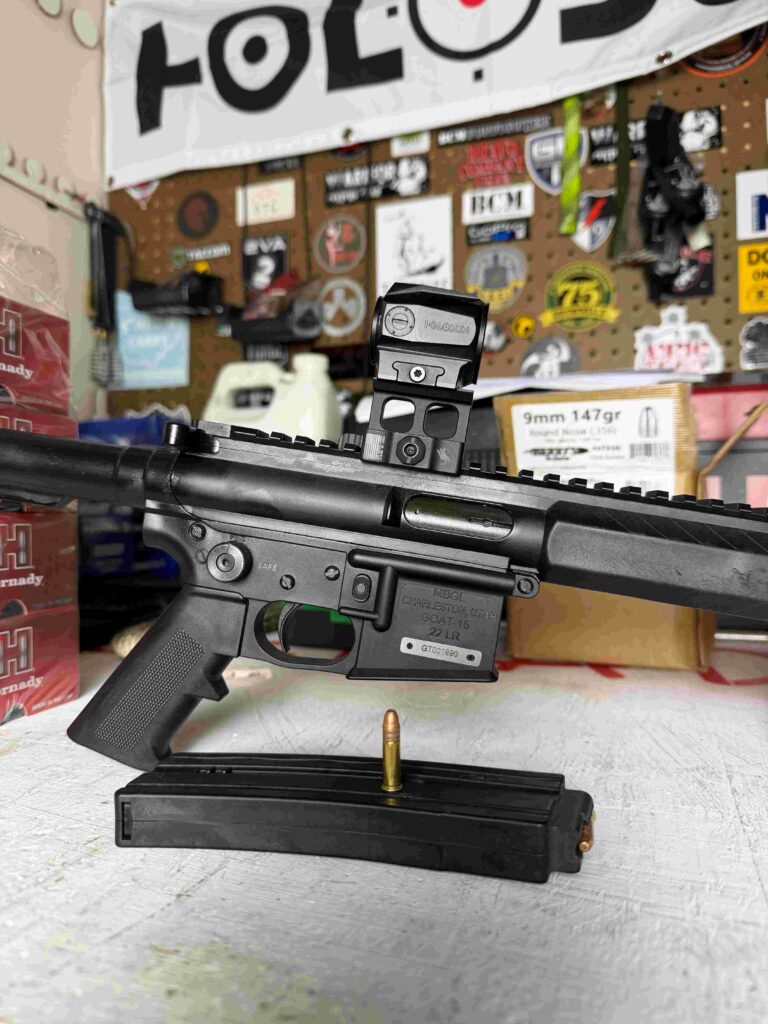
Rifle cartridges are typically centerfire, boasting long casings, heavy charges of slow-burning powder, and velocities designed to stretch legs over long distances out of longer barrels. Pistol cartridges are also centerfire, but they feature shorter casings and faster-burning powders optimized for compact barrels.
What does “centerfire” actually mean? It simply means the primer—the little percussion cap that kicks off the chemical chain reaction—lives right in the dead center of the rear of the cartridge.
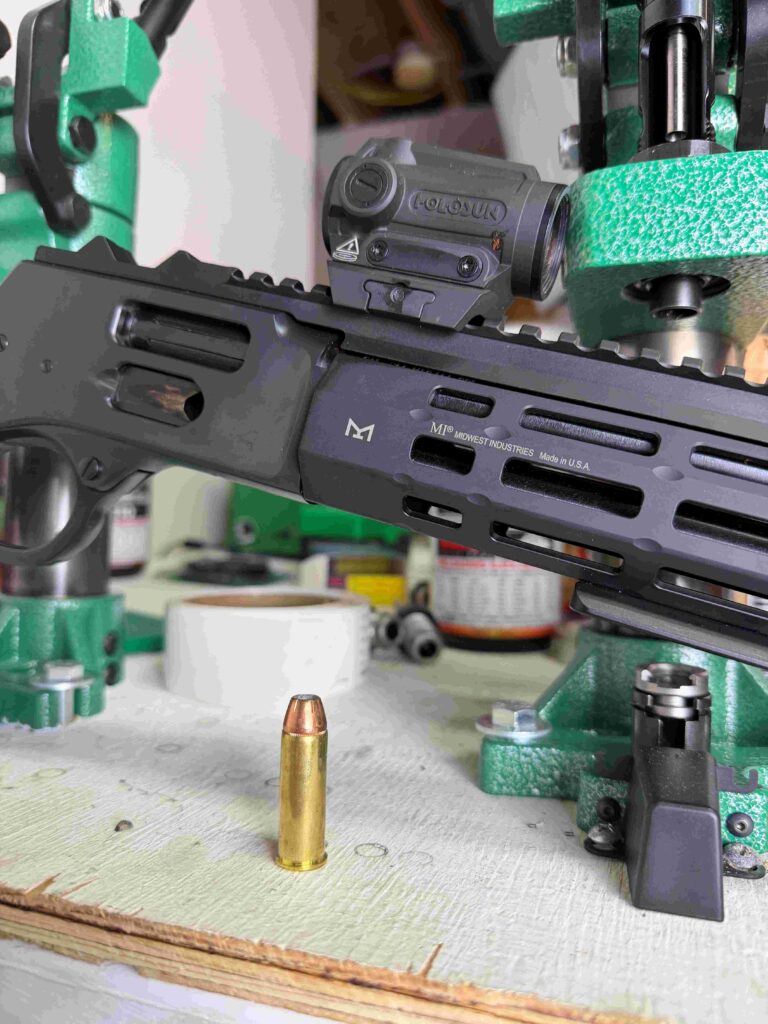
Then you have rimfire, which houses the priming compound directly inside the rim of the casing itself. Think of cartridges like the classic .22 Long Rifle. They are low-pressure, affordable, and—crucially for you budget-conscious folks—non-reloadable. Speaking of which, trying to reload a .22 LR casing is a bit like trying to catch a Charizard with a standard Poké Ball on the first try: technically someone on the internet claims they did it, but realistically, you are just going to burn your fingers and look ridiculous.
Matching Ammo to Mission: The Four Major Categories
Once you know what platform is sending your freedom seeds downrange, you need to look at why you are pulling the trigger. Ammunition generally falls into four distinct mission profiles, each requiring completely different engineering.
1. Self-Defense
Self-defense ammunition is explicitly engineered for one grim task: stopping a lethal threat reliably and efficiently. You aren’t looking for cheap range fodder here; you are looking for absolute, unwavering performance. This realm belongs to hollow points or polymer-tipped hollow points designed to expand upon impact, transferring energy effectively while minimizing dangerous over-penetration. Industry standards like the Hornady Critical Defense line are prime examples of what you should keep loaded in your nightstand gun.
2. Hunting
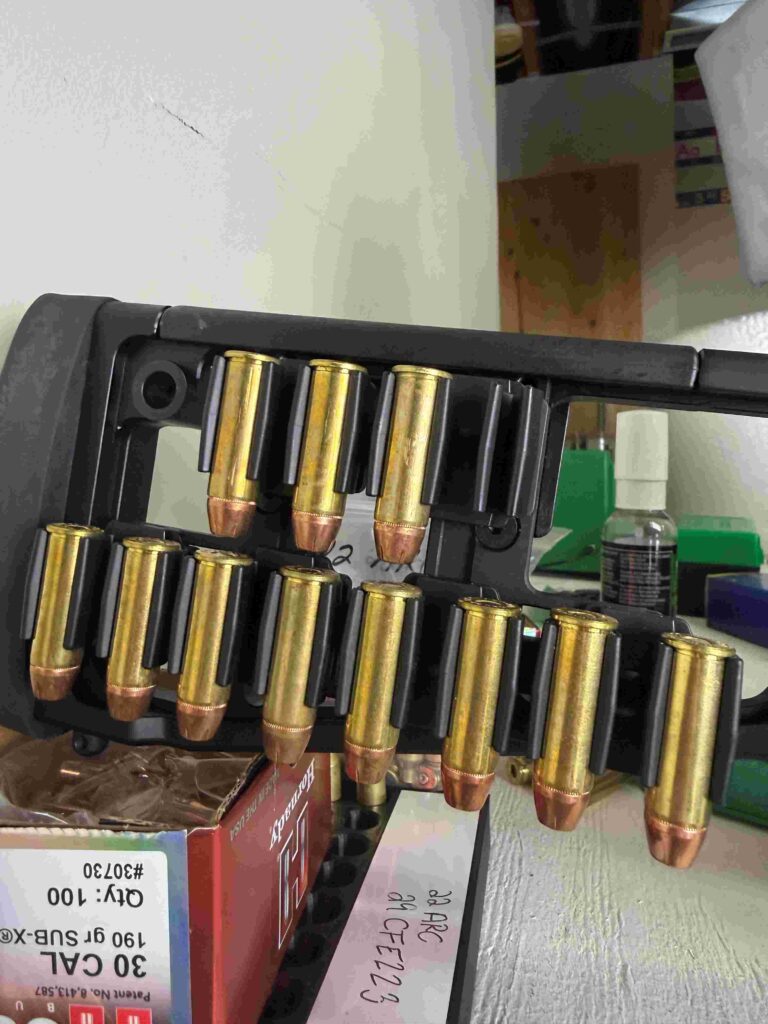
Hunting ammunition is designed to do maximum ethical damage as efficiently as possible. Like defensive rounds, these utilize expanding hollow points or polymer tips, but they are meticulously tailored to the specific game and distance you are pursuing. The bullet weight can vary wildly depending on whether you are chasing whitetail deer or prepping for a massive backcountry bear hunt.
3. Competition
Competition ammunition generally splits into two distinct personalities:
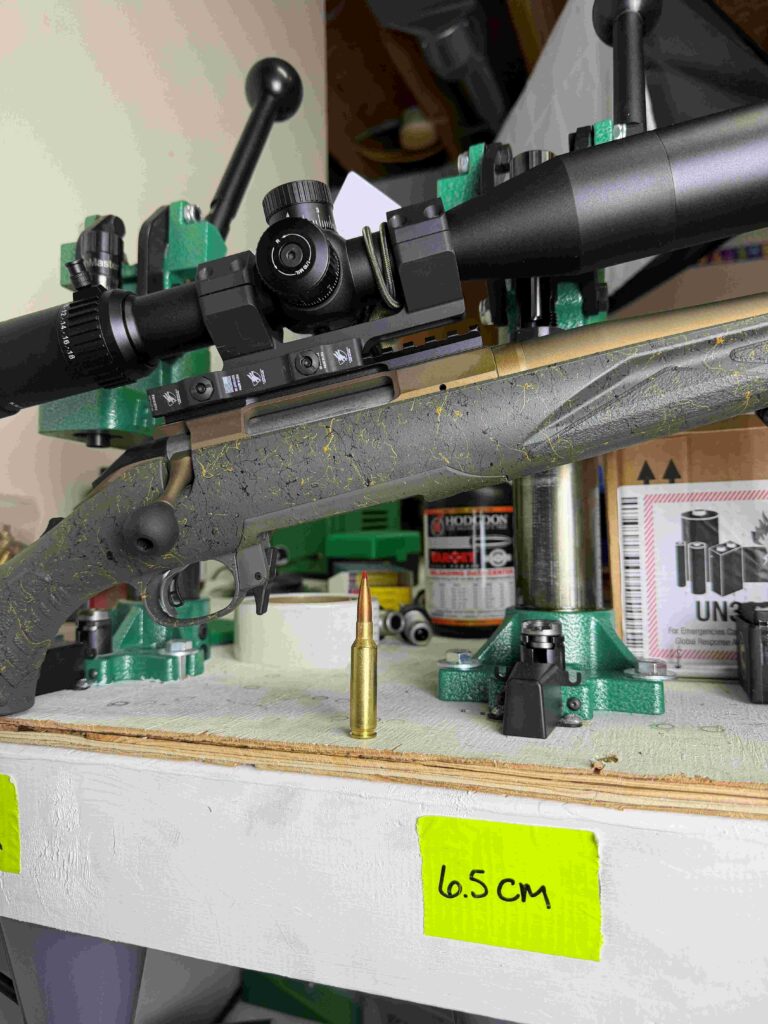
- Precision Ammunition: Built for long-distance matches and unknown weather conditions. These tend to be heavier rounds designed to punch through wind and reliably spin steel targets. Many serious competitors handload these exact recipes, tuning the ballistic data down to the single grain to match the quirks of their specific rifle barrels.
- Burner Ammunition: Used for high-volume, close-quarters shooting where shaving seconds off a stage matters more than hitting a sub-MOA group at 800 yards. This is your fast-running, cost-effective match fodder.
4. Target Practice
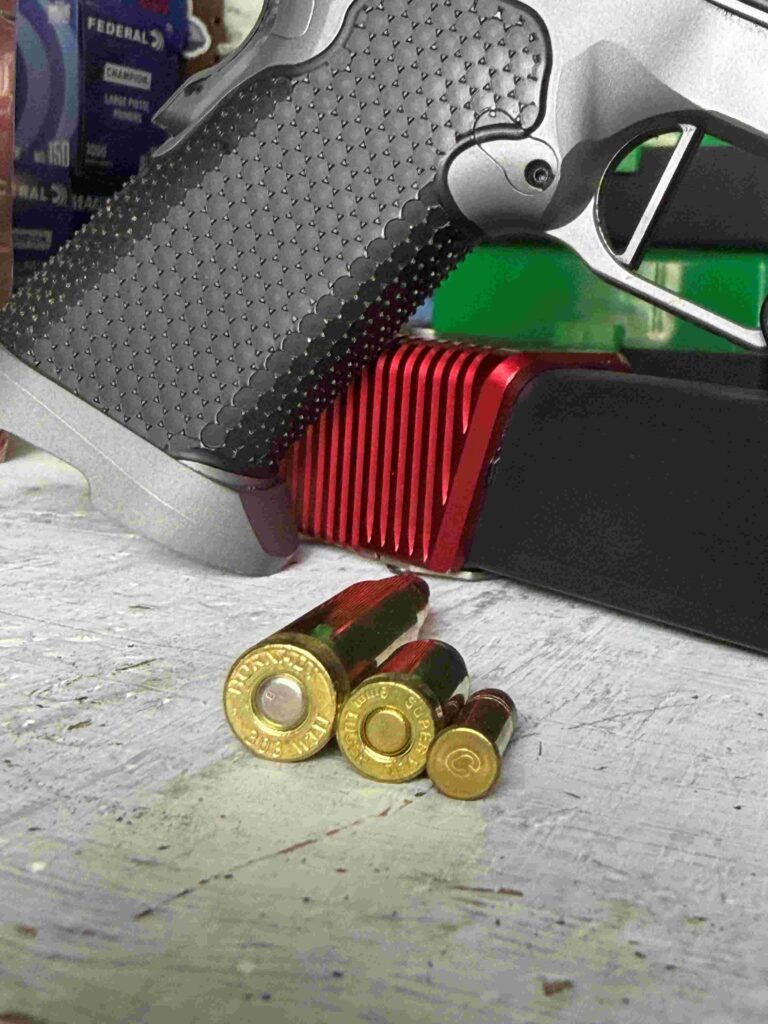
Also known as “range ammo,” this is the least expensive stuff you can find. It needs to cycle reliably through your gun so you can practice your trigger press, but it doesn’t need to win a benchrest competition. It goes bang, pokes holes in paper, and keeps your skills sharp without breaking the bank.
Suppressors, Magnums, and the Rabbit Hole
Before we wrap up, let’s touch on two honorable mentions: suppressors and magnum rounds.
If you are running a suppressor, you can technically shoot standard ammo through it. However, true quiet-neighborhood performance requires subsonic ammunition, which keeps the projectile traveling below the sound barrier to eliminate the supersonic crack.
Magnum rounds, on the other hand, take a standard casing, stretch it out, pack it full of extra powder, and launch a bullet at screaming speeds. They kick like a mule, but they are a hunter’s best friend when extended range and terminal energy are non-negotiable.
Once you start understanding these distinctions, you won’t just make smarter gear purchases—you’ll likely find yourself tumbling headfirst into the ultimate tactical rabbit hole: handloading your own ammunition. As an avid reloader, I can tell you there is nothing quite like crafting a custom batch of precision rounds tailored precisely to your favorite firearm.
See you on the range!