by David Freeman
For shotgun shooters two setup choices drive real results in the field: gauge (bore size and typical payload) and choke (how tight your pattern stays at a distance.)
What Shotgun Gauge Means
Shotgun gauge is an older measurement system based on weight, not inches. Historically, a shotgun’s gauge is the number of perfectly round lead balls—each the same diameter as the gun’s bore—that could be cast from one pound of lead. A 12-gauge bore matches a lead ball where 12 such balls weigh one pound; a 20-gauge bore matches a smaller ball where 20 of them weigh one pound. In other words, smaller gauge numbers mean larger bores.
In practice, manufacturers and industry standards publish nominal bore diameters and actual barrels can vary slightly.
|
Common Gauge / bore |
Nominal bore diameter ( in) |
|
10 gauge |
.775 |
|
12 gauge |
.729 |
|
16 gauge |
.662 |
|
20 gauge |
.615 |
|
28 gauge |
.550 |
|
.410 bore |
.410 |
Note the oddball: .410 is not a “gauge” at all. It’s named for its actual bore diameter (about .410 inches). Everything else follows the lead-ball-per-pound gauge convention.
What a Choke Actually Does
A choke is a slight constriction at the muzzle. That narrowing controls how quickly the shot cloud opens after it leaves the barrel. More constriction generally produces a tighter pattern (more pellets in a smaller area) and maintains useful density farther out. Less constriction opens the pattern sooner and can be more forgiving at close range.
Many hunters learn about chokes the hard way: a clean miss on a close flushing quail, or a dove that slips out over the tree line just beyond reach. Choke selection doesn’t “change the shotgun,” it changes the pattern (how wide it spreads and how far it stays dense enough to cleanly take game).
One important detail: choke names are the same across gauges, but the actual constriction isn’t. A full choke in a 12 gauge is typically around .040” of constriction, while full choke in 20 gauge is closer to .027”. The goal is the same—delivering a reliable percentage of pellets inside a 30-inch circle at 40 yards—just scaled to the bore.
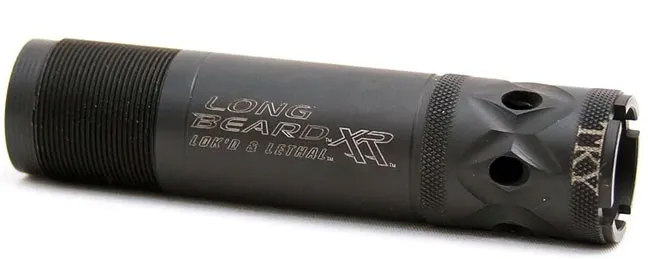
If you’re shopping for a new shotgun, the choke tubes it comes with matter more than most buyers realize. A solid factory tube set saves money, makes the gun more versatile on day one and keeps you from chasing aftermarket parts just to cover basic hunting and clay distances.
Fixed Choke vs. Tubes
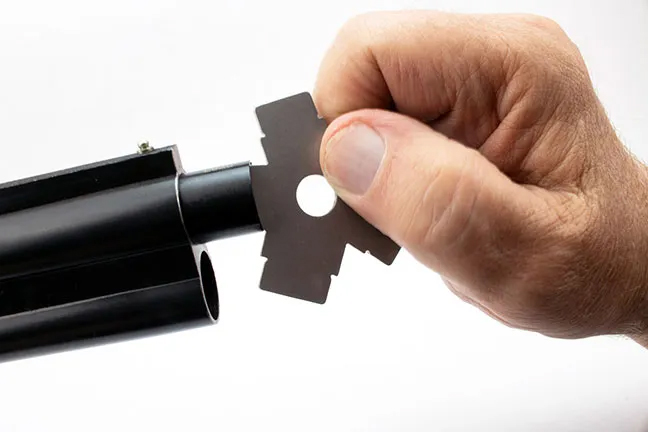
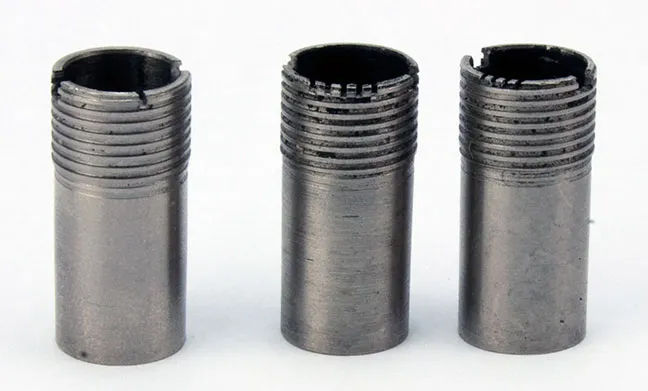
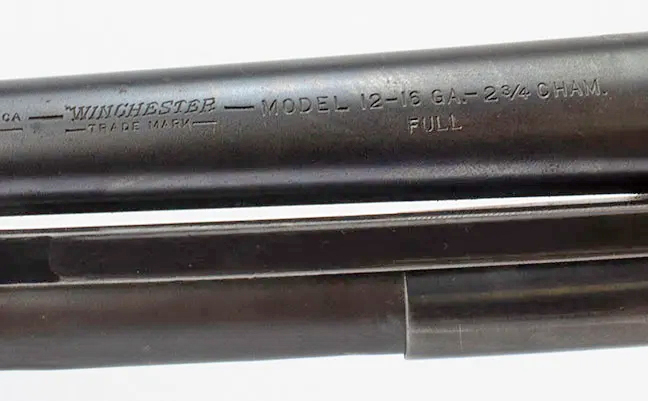
Older shotguns often wear a fixed choke ( usually stamped on the barrel). If you’re shopping for a versatile shotgun today, interchangeable tubes are a big advantage. But remember tubes are specific to a choke system, not just the gauge. Before you buy aftermarket tubes, confirm the exact system your gun uses. For most buyers, flush tubes are fine and snag-free. Extended tubes cost more but make swaps and identification easier. And if you shoot steel or other hard non-toxic shot, make sure the tube is rated for it and follow the manufacturer’s limits on tight constrictions.
Common Chokes (and What They’re Good For)
If you remember nothing else, remember this: open chokes are for close work, tight chokes are for distance. Here’s how the usual lineup plays out for most hunters and clay shooters.
From Wide to Tight
- Cylinder (no constriction): Fast-spreading patterns for very close shots. Think brushy upland cover, some home defense setups and certain close-in steel shot work.
- Improved Cylinder: A go to “close bird” choke. Great for early season dove over decoys, quail over pointing dogs and skeet-style distances.
- Modified: The do-most-everything option. If you could only own one choke for mixed hunting and clays, this is usually it.
- Improved Modified / Light Full: Where you start leaning toward longer birds and longer crossers. Common for trap and some waterfowl setups.
- Full: Dense patterns for longer shots—classic for trap and for situations where birds are consistently farther out.
- Specialty Chokes: “Skeet,” “turkey,” and steel-shot-rated tubes are purpose built. Use them when the game (or the rulebook) calls for them.
- Trap: Targets go out and get engaged farther—Modified to Full (often Improved Modified / Full) is common.
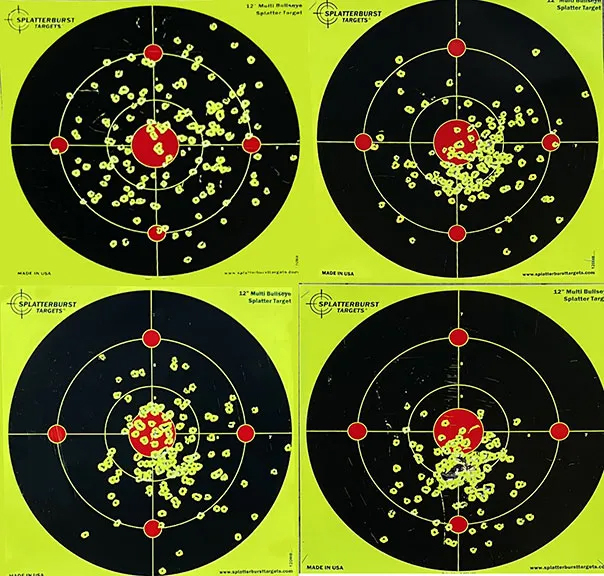
How to Tell What Choke You’ve Got
Between swapped tubes, borrowed shotguns and “mystery” used guns, it’s worth taking 30 seconds to confirm your choke before you hunt. Fixed-choke barrels are often stamped near the muzzle. Removable tubes may be marked with words (IC, MOD, FULL) or identified by notches on the rim. If you’re not sure, your manual—or a quick measurement with a bore gauge—can settle it.
Keep It Shooting: A Few Choke Habits That Matter
- Pattern your gun: A choke tube name is a hint, not a guarantee. Shoot paper at real ranges and let the target tell you the truth.
- Keep tubes clean and lightly lubricated: Remove them after shooting, clean fouling from the tube and barrel threads and use a small amount of choke-tube grease to prevent seizure.
- Check tightness: Tubes can loosen with recoil. A quick check before a hunt and during long clay seasons prevents headaches.
- Match choke to ammo: Use steel-shot-rated tubes when required and avoid “extra tight” constrictions with loads your manufacturer warns against.
With the right choke, your shotgun stopes feeling like a mystery and starts acting like a tool you can tune. Start with the distance guidelines, pattern your real hunting loads and you’ll quickly see more consistent hits—and more confidence—when birds flush or commit.