Achieving maximum accuracy when reloading ammunition relies on meticulous attention to case preparation, powder charge and bullet seating. All of this assumes you are using valid reloading data from a reputable source.
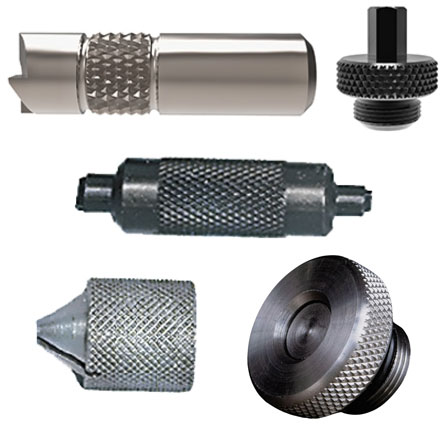
Deluxe Case Conditioning Combo includes cutter and lock stud, chamfer tool, primer pocket cleaner and power grip shell holder.
- Check Case Condition
When using previously-fired brass, first clean it using either a tumbler or an ultrasonic cleaner to remove dirt and grime and any carbon build-up. Then inspect each case for splits, cracks or deformities. Discard any defective brass.
- Lubricate and Resize Cases
Unless you’re using carbide dies, apply case lubricant to prevent cases from getting stuck in the die. Resize the case to proper neck diameter and tension.
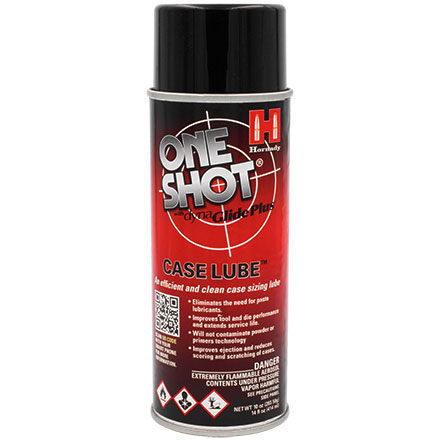
Hornady One Shot Case Lube Spray is clean, non-sticky, quick and easy to use.
- Trim to Uniform Length
Measure each case with a caliper or case gauge as cases lengthen when fired. Trim cases that exceed the specified maximum length according to your reloading manual to ensure uniform case length which aids in consistent neck tension and proper function in the chamber.
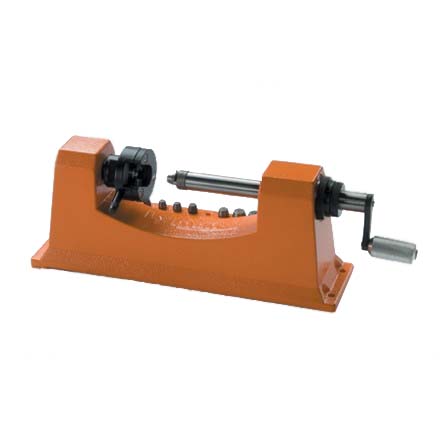
Lyman’s Universal Trimmer handles any case from .17 caliber to .458. Adjusting ring lets you dial in to an approximate setting for quick repeatability. Includes nine of the most popular pilots.
- Chamfer and Deburr Case Necks/Flash Holes
Chamfer and deburr the inside and outside of the case mouth after trimming to allow the bullet to seat easily and uniformly. Also deburr the internal flash hole and the primer pocket to eliminate manufacturing variations and ensure consistent ignition.
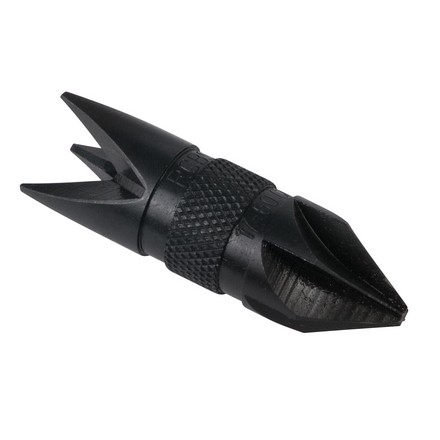
The Hornady Deluxe 4-Blade Chamfer and Deburr Tool is the perfect solution for all of your
case prep needs.
- Prime the Cases
Seat the correct size and type of primer firmly and consistently into the primer pocket. Consistent primer seating ensures reliable and uniform ignition, a key factor in consistent muzzle velocity.
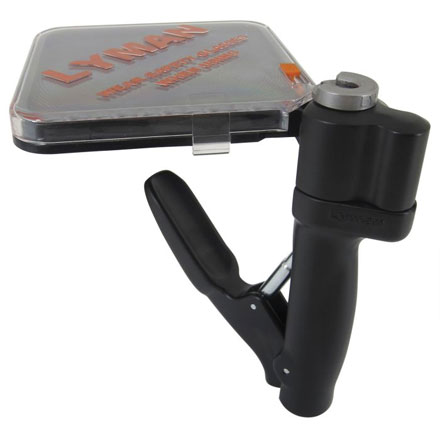
Lyman E-ZEE Prime Hand Priming Tool works with any popular brand of standard shellholder and allows instant changeover between primer sizes.
- Weigh and Dispense Consistent Powder Charges
Weigh each powder charge precisely using a high-quality scale and dispenser to ensure shot-to-shot consistency in muzzle velocity.
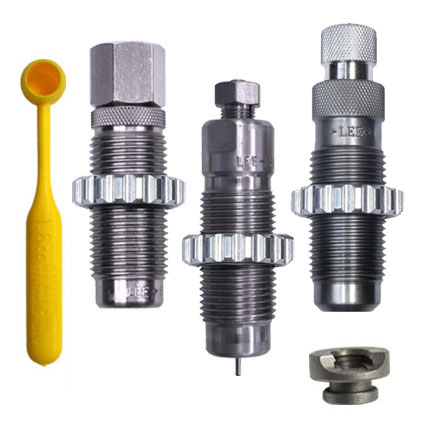
Lee 9MM Luger Pistol 3-Die Set includes Carbide Full-Length Sizing Die, Bullet Seating Die, Powder Thru Expanding Die, Universal Shell Holder, Powder Dipper and Instructions/Load Data.
- Seat the Bullet Consistently
Adjust the bullet seating die to achieve the specified overall cartridge length (OAL), or for greater precision, measure the length to the bullet ogive (CBTO – Cartridge Base to Ogive). Ensure consistent seating depth and minimal bullet misalignment by using quality dies as this significantly impacts how the bullet engages the rifling.

The Ultimate Hornady AP Powder Measure Kit is the quickest and easiest way to add an additional fully functional case activated powder measure to a progressive press.
- Conduct Load Development
Perform a “load ladder” test by carefully varying a single variable (e.g., powder charge or seating depth) and observing the results on a target to find the “sweet spot” for your specific firearm. Track muzzle velocity using a chronograph to minimize standard deviation, further improving long-range accuracy.
- Document and Test
Keep detailed notes of all load data, velocity and target information for future projects. Thoroughly test your developed loads at the range, inspecting for pressure signs and confirming accuracy before producing a large batch of ammunition.