
Cold temperatures can change ammunition performance. Understanding how powder, primers, and ammunition storage respond to winter conditions can help hunters maintain the accuracy and reliability they depend on when the temperature drops.
There is something special about hunting in cold weather. The crisp morning air, frost covering the ground, and the anticipation of seeing a mature buck moving through the timber make those early winter mornings worth the effort. However, while hunters spend considerable time preparing their clothing, rifles, and equipment for freezing temperatures, one important consideration is often overlooked: ammunition performance.
For those of us who handload our hunting ammunition, cold weather introduces another variable that deserves attention. A cartridge that performs exceptionally well during summer range sessions may not produce identical results when the temperature drops below freezing. Powder characteristics, primer performance, and even the condition of the ammunition itself can influence what happens when the trigger is pulled.
Understanding these factors can make the difference between a successful hunting season and an unexpected disappointment.
Temperature and Powder Performance
One of the most important considerations when developing hunting ammunition is the effect temperature can have on smokeless powder. Not all powders respond to temperature changes in the same manner. Some exhibit relatively stable performance across a broad range of temperatures, while others may experience measurable velocity changes as temperatures rise or fall. This becomes particularly important for hunters who develop their ammunition during the warmer months but use it during late-season hunts.
Imagine spending the summer developing an accurate load for your favorite .308 Winchester or .30-06 Springfield. The rifle consistently produces excellent groups, and everything appears ready for deer season. Then December arrives, and the temperature drops considerably.
Depending on the powder, the ammunition may produce a different muzzle velocity than it did during summer testing. Changes in velocity can influence bullet trajectory, particularly at longer distances. Even relatively small differences may become significant when precision is required. It is important to understand that powder temperature sensitivity is not necessarily a reflection of poor quality. Smokeless powders are complex chemical formulations, and their combustion characteristics can respond differently to environmental conditions.
For the serious hunter, the objective is consistency.
Temperature-Stable Powders
Fortunately, powder manufacturers have recognized the importance of temperature stability, particularly among hunters and precision shooters.
Hodgdon’s Extreme series of extruded powders has earned considerable attention for its emphasis on maintaining consistent performance across changing temperatures. Powders such as H4350, H4831SC, and Varget are familiar names among experienced handloaders. These powders have become popular in numerous rifle cartridges because of their accuracy potential and temperature-stability characteristics.
That doesn’t mean every powder in the Extreme series is suitable for every cartridge. Powder selection must always follow pressure-tested data published by reputable manufacturers.
Other powder manufacturers, including Alliant, Vihtavuori, and Accurate, offer products used in hunting ammunition. However, temperature sensitivity varies by individual powder formulation. It is important to evaluate specific products rather than assume an entire manufacturer’s lineup behaves identically.
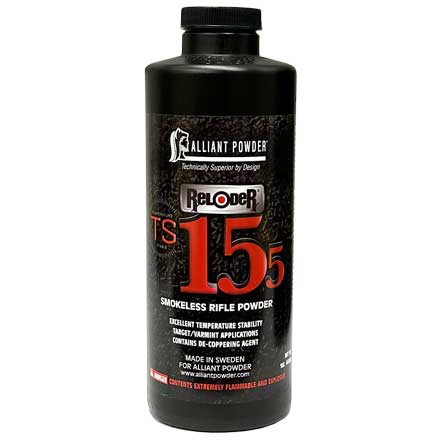
A powder that performs consistently in changing temperatures offers an obvious advantage to hunters who travel between climates.
A hunter developing ammunition in Tennessee during August may eventually take that same rifle on an elk hunt in Colorado, where temperatures can be dramatically different. Understanding how the selected ammunition performs under those conditions is simply good preparation.
Primer Selection Matters
Powder receives much of the attention in reloading discussions, but primers deserve equal consideration. The primer initiates the combustion process, and reliable ignition is essential for consistent ammunition performance. Most rifle handloaders are familiar with standard large rifle and small rifle primers. Magnum primers are also available for applications identified in published loading data.
A common misconception is that cold-weather hunting automatically requires a magnum primer. This is not necessarily true.
Magnum primers are designed with ignition characteristics appropriate for certain applications, but they are not universally superior in freezing temperatures. Their suitability depends on the cartridge, powder, and specific combination being used.
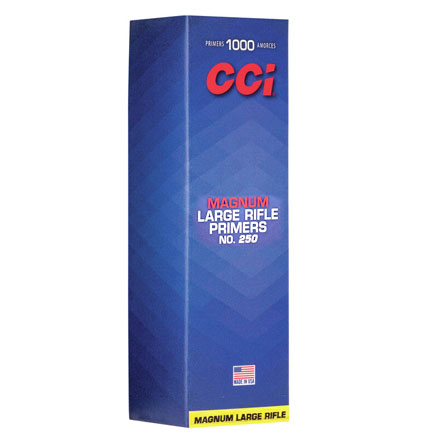
Changing primer types can also alter chamber pressure and ballistic performance. For that reason, primer substitutions should never be made casually, especially in ammunition already operating near published pressure limits.The best approach is to use the primer specified in reliable, pressure-tested loading data and evaluate the finished a mmunition for consistent performance.
Federal, CCI, Winchester, and Remington have all supplied primers to generations of handloaders. Individual products have different characteristics, and availability may influence purchasing decisions, but reliability and compatibility should remain the primary considerations.
For hunting ammunition, dependable ignition is more important than chasing the last few feet per second of velocity.
Cold Weather and Cartridge Consistency
Temperature can influence more than powder combustion.
Brass cases, bullets, and firearm components are all exposed to the same environment. Although their dimensional changes under normal hunting conditions are generally small, the overall shooting system may behave differently in extreme cold.
Lubricants can thicken, moisture can freeze, and condensation may develop when a cold rifle is brought into a warm environment.
These factors are particularly important during extended hunting trips where equipment may experience repeated temperature changes. For example, a hunter might spend the morning in freezing temperatures, return to a heated cabin for lunch, and then head back into the field that afternoon. The transition from cold to warm conditions can create condensation on exposed metal surfaces.
Moisture is never a welcome addition to ammunition storage or firearm maintenance. Keeping cartridges clean, dry, and protected from unnecessary temperature fluctuations is a simple practice that can help prevent problems. The same applies to the rifle. A dependable hunting firearm should be properly maintained with products appropriate for the temperatures expected during the hunt.
Testing Hunting Ammunition in Real Conditions
I have always believed that ammunition should be evaluated under conditions reasonably similar to those in which it will be used.
For the hunter who reloads, this means more than shooting a few impressive groups during a pleasant afternoon at the range. If your primary hunting season takes place in November and December, it makes sense to confirm your rifle’s point of impact during colder weather.
A chronograph can also provide useful information. Comparing velocity measurements collected during different seasons may reveal whether the ammunition exhibits meaningful changes in performance.
However, velocity alone does not tell the entire story.
Changes in point of impact can result from several factors, including differences in shooting position, environmental conditions, and the rifle itself. Consistent testing methods are essential before attributing every variation to powder temperature. Hunters should also remember that ammunition exposed to direct sunlight may become considerably warmer than the surrounding air, even on a relatively cool day.
The goal isn’t to eliminate every possible variable. That would be unrealistic. The objective is to understand the ammunition well enough to recognize its practical limitations.
Don’t Overlook Ammunition Storage
Proper ammunition storage becomes especially important when hunting trips involve long periods away from home.
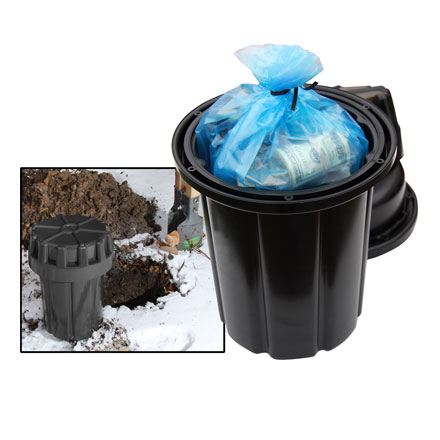
Handloaded ammunition should be stored in clearly labeled containers that protect cartridges from moisture, contamination, and physical damage. Avoid leaving ammunition in locations where it will experience unnecessary heat, dampness, or repeated extreme temperature changes. It is also wise to inspect hunting ammunition before leaving for a trip. Cartridges showing corrosion, damage, or other abnormalities should not be used.
For handloaders, accurate records are equally important. Recording the components used, the date of assembly, and the results of previous testing makes it easier to evaluate ammunition performance over time.
Good recordkeeping may not be the most exciting part of reloading, but it is one of the habits that separates careful handloaders from careless ones.
Preparation Makes the Difference
Cold-weather hunting presents challenges that go well beyond staying warm in a deer stand.
For the handloader, powder temperature sensitivity, primer compatibility, ammunition storage, and field verification all deserve attention.
The good news is that modern reloading components offer excellent potential for consistent performance. With careful component selection, reliable published data, and proper testing, hunters can develop confidence in their ammunition without making unnecessary changes when winter arrives.
Whether you’re carrying a .243 Winchester for whitetails, a .308 Winchester for a late-season deer hunt, or a larger rifle cartridge into the mountains after elk, the principle remains the same.
Know your equipment. Understand your ammunition. Prepare for the conditions you expect to encounter.
When that mature buck finally steps into the clearing on a freezing December morning, your attention should be on making a responsible, well-placed shot—not wondering whether your ammunition will perform as expected.
That’s what careful reloading is all about.