
Winchester Model 70 Classic Safari Express .458WinMag
by Todd Burgreen
PACKING A WALLOP AMERICAN STYLE
The .458 Winchester Magnum (WinMag) cartridge was introduced in 1956 chambered in the Winchester Model 70 African rifle. It was designed to compete against the .450 Nitro Express, and the .470 Nitro Express cartridges found in big bore British double rifles. The .458WinMag was created for hunting dangerous game animals by emulating the performance of powerful English double rifle cartridges i.e. 500 grain bullets driven at 2100fps in a standard-length bolt action rifle. The use of a non-magnum action length bolt action rifle offered hunters a cheaper alternative to the labor intensive custom big bore double rifle. Ammunition was also more readily available with Winchester and other American companies producing it compared to the often proprietary British calibers.
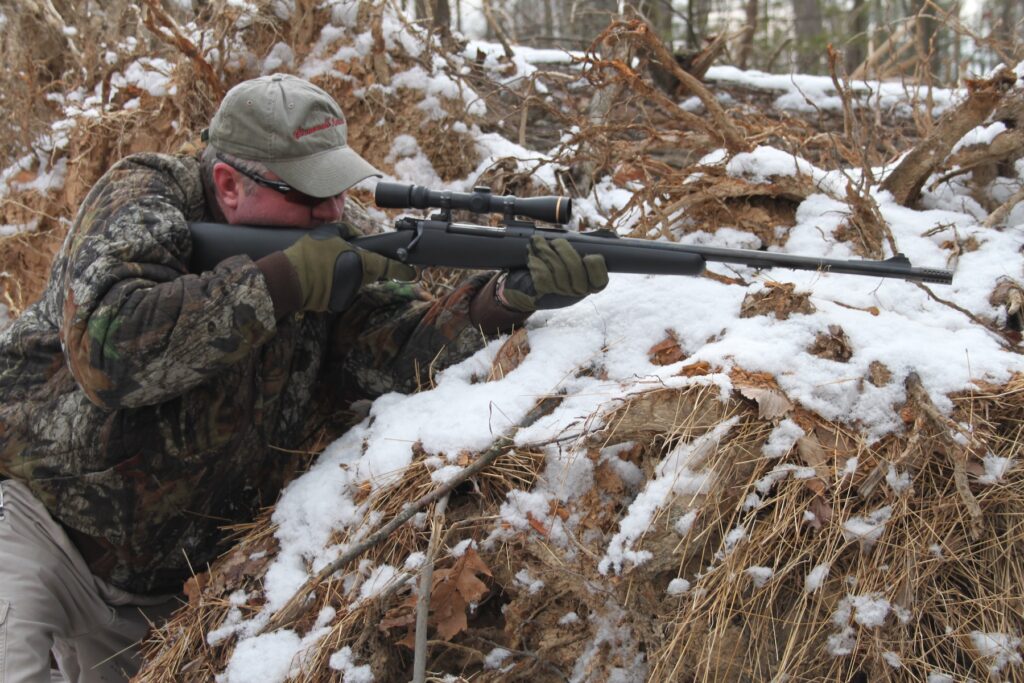
The history of the .458WinMag is not without some problems. Issues arose in the late 1960s related to reliable ammunition performance in terms of velocity generated and more significantly ignition when fired. To this day any mention of the .458WinMag will generate a comment based on this stigma of erratic performance. Most agree the problem is traceable to type of powder used with the compressed 510 grain factory loads combined with African conditions of heat/cold cycles. Less powder, reducing velocity to 1,900-2,000fps, 500 grain versus 510 grain bullets, and new powder designs resolved the issues. This is supported by the number of .458WinMag chambered rifles found in the hands of professional hunters, park rangers, and other individuals who carry a dangerous game rifle for a living.
HANDLOADING DEFINITELY AN OPTION
As usual handloaders have leg up in maximizing cartridge potential. The short nature of the .458WinMag case (2.500-inch), necessary to function in a 30-06-length action, and 500-grain bullets intruding on the powder column were challenge handloaders figured out via not using ball powder and access to bullets of various alloys and types. Though factory ammunition has diversified over the years with the .458WinMag spanning 350 to 500 grain, handloaders can access a myriad of bullet types and weight enabling the optimization for soft-skinned game or for extremely tough, thick-skinned animals requiring deep, straight-line penetration.
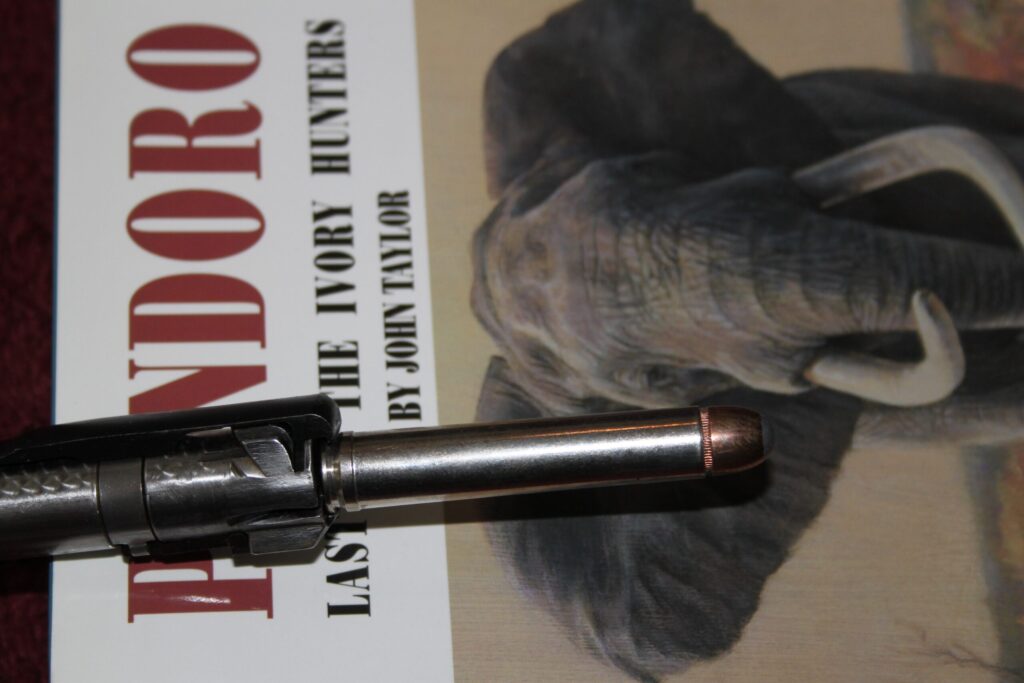
Handloaders can experiment with balancing recoil with terminal performance for specific species or hunting conditions. Bullets span from heavy jacketed solids or premium bonded soft points to achieve maximum performance. Despite the relatively modest speeds, 2300fps-2050fps, compared to some magnum calibers, the .458WinMag’s bullet weight and frontal area produce tremendous energy transfer and penetration. For handloaders, managing variables such as bullet seating depth, crimp strength, and powder selection are key considerations when striving for optimal accuracy and consistent performance on game.
Lastly, considering purchased .458WinMag ammunition costs between $160-$250 for a box of twenty, being able to reload the same case multiple times with the specific load desired makes sense/cents (pun intended).
MODIFICATIONS
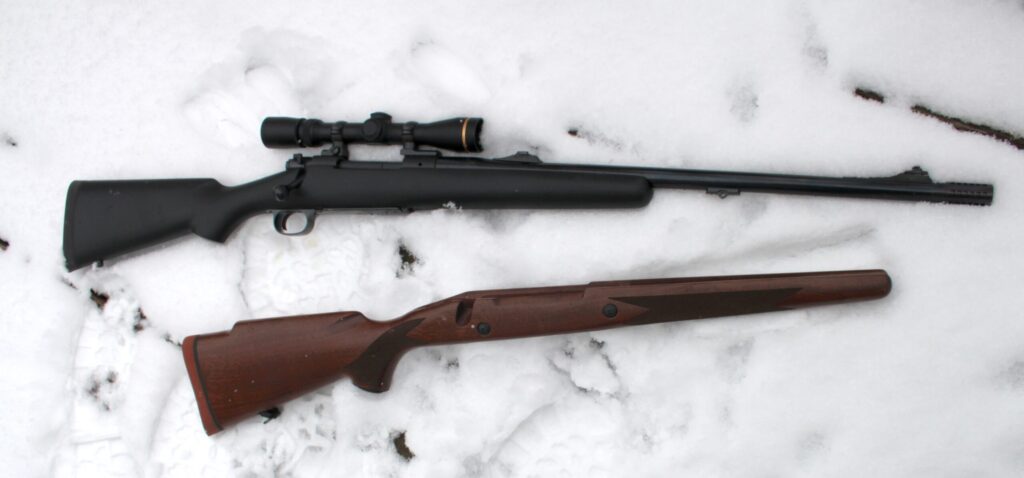
I inherited a Winchester Model 70 Classic Safari Express chambered in .458 Winchester Magnum from my father. We had always planned on going on an African safari or Alaska trip together. Unfortunately, time passes a little too quickly and best intentions do not pan out as I lost my father a few years ago to cancer.
The .458WinMag Model 70 featured in this article falls under the “Classic” era model designation. The “Classic” returned the majority of pre-64 features with minor differences in stock and action design. The commentaries I have read seem to agree that the “Classic” Model 70 encompasses features that make it superior to the original pre-64 Model 70—except for nostalgia reasons that is. The “Classic” Model 70 is more scope friendly coming already drilled and tapped. Another improvement is found in the trigger geometry allowing for simpler adjustability. The return of controlled round feeding made the difference for most dangerous game hunters and brought the “Classic” Model 70 back into the fold with hunters.
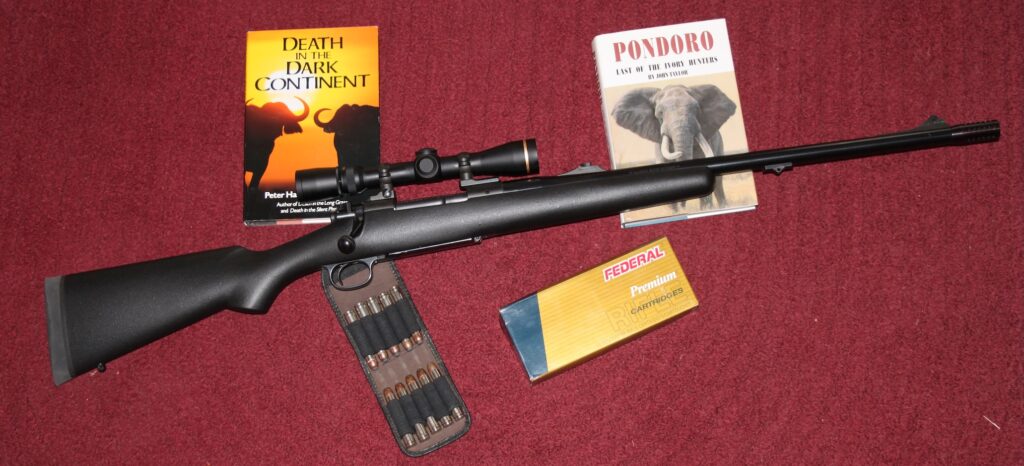
The Model 70 Classic Safari Express is equipped with a 22-inch barrel featuring express style rear and hooded front sight. The Winchester Model 70 Classic Safari Express has hinged floorplate magazine that accommodates three (3) .458WinMag rounds. Winchester utilizes a three position safety on the Model 70, allowing for the action to be worked while remaining on safe.
The possibility of an Alaskan hunt led to a desire to modify/improve the base Model 70 Classic rifle. This based on Alaska’s harsh environment. Brockman’s Custom Gunsmithing was chosen to do the work on the Model 70. I knew of Brockman’s reputation via lever action work he had performed for me on a Marlin 1895 lever action. All tasks had one goal in mind—ensure a reliable, durable, zero-retaining rifle. For most, this is the Holy Grail for dangerous game hunting in terms of rifle performance.
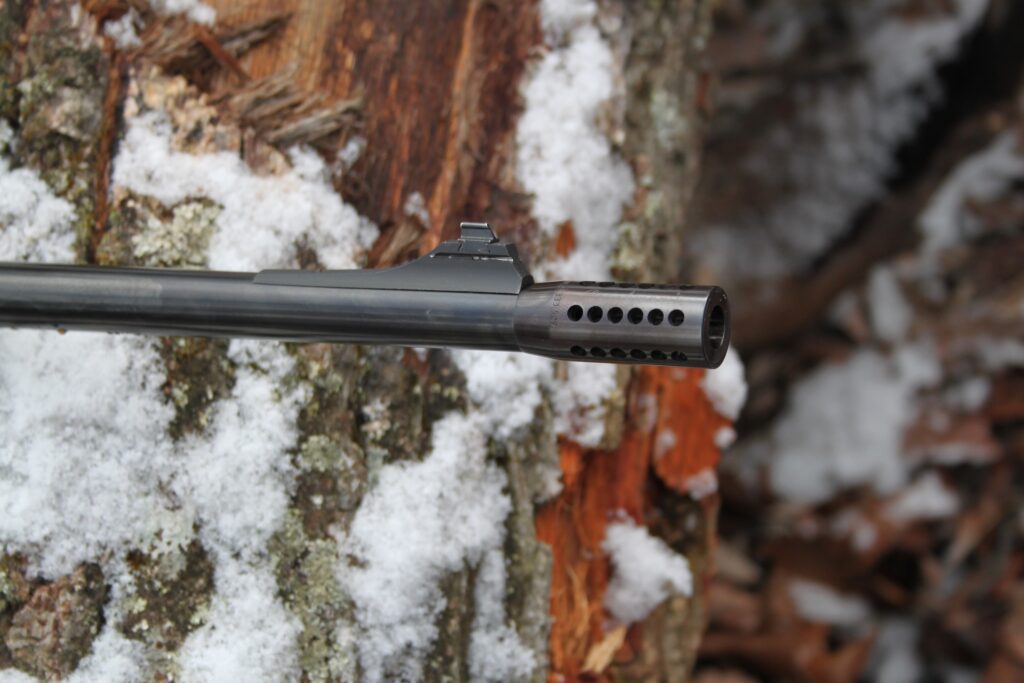
It was decided that the .458WinMag Model 70 Classic Safari Express would have the following work done by Brockman’s: 1) install Brockman’s patented B.E.S.T. muzzle brake 2) MPI super magnum “Dakota” style fiberglass stock fitted 3) lap scope rings and mount Leupold Vari-X-III 1.75-6x scope 4) adjust trigger to 4.5lbs 5) smooth/slick action for smooth manipulation and most importantly foolproof functioning.
TAKE A BRAKE
The Brockman B.E.S.T. brake is not essential for a dangerous game rifle. However, the muzzle brake does encourage more range time with the .458WinMag. More range time equates to more familiarity with a rifle that is going to be used in a serious situation. More range time means any issues with function will become evident on the range and not in the field where it could be disastrous. While not trying to be dramatic, a brown bear or African dangerous game hunt is not your typical white tail foray, where fumbling with your rifle results merely in a missed opportunity on a deer. A missed deer is bad enough; problems against quarry that can strike back are an entirely different matter.
The greatest concern with a brake is the effects of increased muzzle blast on hunter and guide when afield. There are muzzle brake models that can be removed. However, this often raises problems of shifting point of aim due to variation in barrel harmonics between when brake is installed or removed due to weight difference on barrel. Brockman’s B.E.S.T. brake solves this dilemma with its patented ball bearing design that allows it to be turned “on” or “off” with a twist. This means it is not removed from the barrel or shifted in position. Barrel harmonics remain the same.
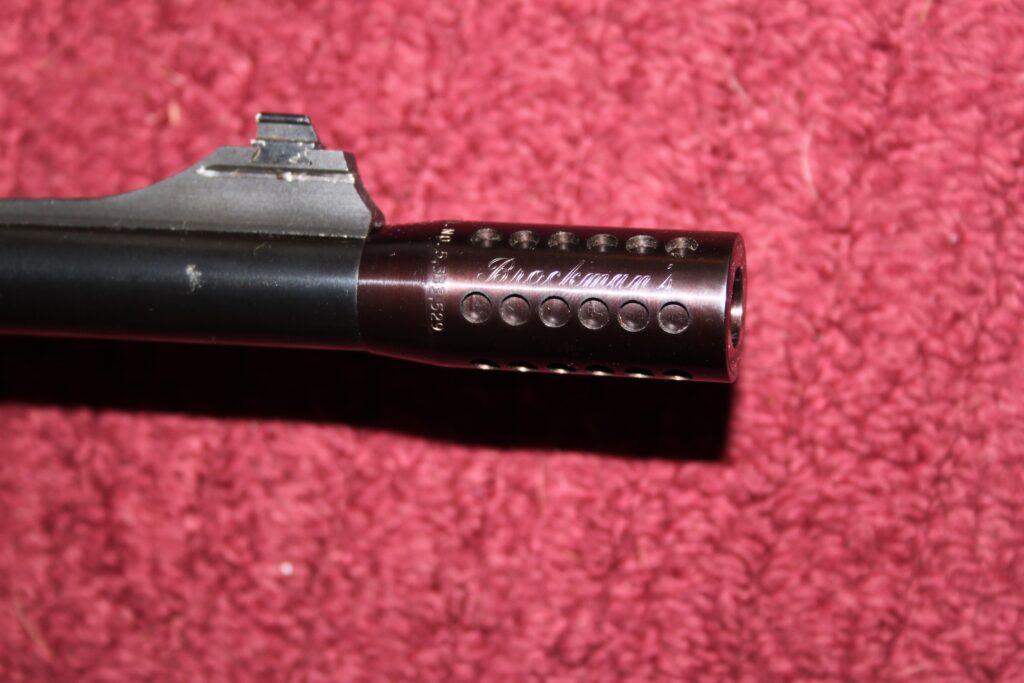
My testing with Federal and Hornady .458WinMag loads supports the theory via rounds on paper. Federal 350gr SP and 500gr Trophy Bear Claws (TBBC) combined with Hornady 500gr DGS bullets showed no shift of zero between B.E.S.T. brake’s “on” or “off” positions. The Federal 350gr SP loads were purchased with the rifle many years ago. I do not see the Federal 350gr load listed any longer in Federal’s catalogue. Another case in point for handloading.
I have no means of scientifically quantifying recoil reduction with Brockman’s B.E.S.T. brake between the “on” and “off” positions. I offer anecdotal information in lieu of empirical. The first round fired thru the .458WinMag was with the brake “off”. It taught me an important big bore lesson. I am acquainted with .375 H&H and .340Weatherby rifles. I thought recoil with the .458WinMag, while greater, would be manageable based on experience with other rifles. Well, first round fired showed importance of having everything “tied down”, especially one’s tongue inside your mouth. Eventually, the bleeding stopped while shooting session continued.
With the Brockman B.E.S.T. brake “on” the upward recoil of the stock into my face and rearward push into shoulder was substantially reduced. The upward recoil into my face is more my sensitive area in terms of recoil than the rearward shoulder shove. I would venture that the Brockman brake reduced the Model 70’s .458WinMag recoil into the .300WinMag category.
RIGHT FIT
The MPI “Dakota” stock also assists with recoil management. The MPI’s design helps dissipate felt recoil. The MPI stock satisfies various concerns with the Model 70 besides recoil. A favorable aspect of the handmade fiberglass stock is its durability both against the elements and punishment a stock takes in terms of .458WinMag recoil. This dual durability contributes to our goal of overall reliability. There is no time for swollen or split stocks in the field. Every MPI stock is multi laminated and inspected frequently during its hands on construction. MPI stocks are not injection molded via machine. MPI offers many different styles of stocks including Super Magnum models for any rifle caliber over .375 H&H. The MPI Super Magnum stock is double reinforced along the action area and the sides of the magazine well to better withstand the stresses of big bore recoil. MPI claims it super magnum stocks are virtually indestructible when bedded properly. The MPI stocked Model 70 has a great feel to it and the rifle balances well. This is no small matter if a quick shot is needed on an animal in close cover as is typical or dare, we say because of a charge.
Another key component addressed in the Model 70’s modifications is its sighting system. Some would council against even mounting a scope on the Model 70 .458WinMag. The prevalence of scopes with the last three generations of hunters often means scopes are more natural to use than open sights. A quality scope’s light gathering capabilities in thick bush should not be discounted as an important advantage in making a killing first shot.
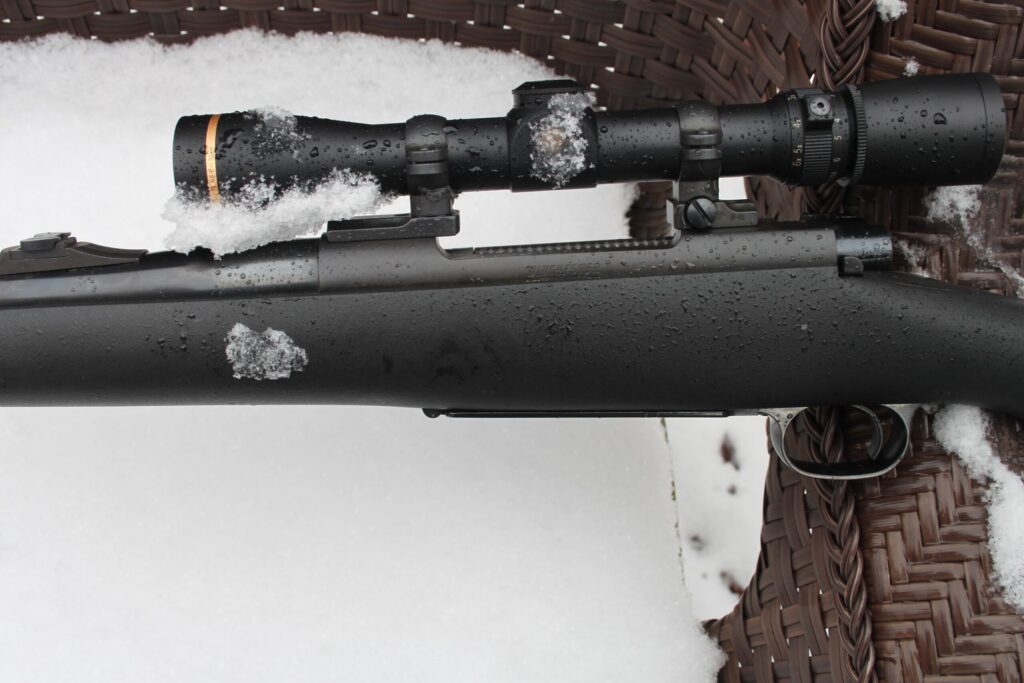
Leupold bases and rings were used to mount a Leupold Vari-X-III 1.75-6x scope. Brockman’s lapped the scope rings and mounted the scope as part of their service. The front sight’s hood was removed to minimize obstruction with the Leupold scope when set at its lowest magnification level. I have read that unlapped scope rings bear less than 40% on a 1-inch scope tube. This did not sound prudent with the recoil forces involved with the .458WinMag. Brockman’s mounting and lapping the Leupold gives confidence that the scope will stay aligned in the field and recoil will not affect it at the worst time. The Leupold Vari-X-III 1.75-6x scope features a 32MM objective offering better light gathering than most dangerous game type scopes in the genre with straight tubes. The better light transmission and image quality at dawn/dusk is important. The generous eye relief no matter power range sealed the deal for me with scope selection.
As a finishing touch for the Winchester Model 70 Brockman’s adjusted the trigger for a crisp 4.5lb release with no creep. The main idea for the trigger was consistency. A sub 4.5lb trigger is not warranted on a hunting rifle that may be used in cold climates or in thick cover. The Model 70’s action was “tuned” for smooth operation. More paramount for the action work was reliable functioning. For me, a dangerous game rifle is better served with these modifications than blueprinting or truing the action with gilt edge accuracy in mind.
FIELD TEST
Sub-MOA accuracy is not the goal for a .458WinMag rifle. A rifle like the Model 70 Classic Safari Express is expected to perform under 100 yards; not because of ballistics, as 200yds is quite possible. Rather, the type of game hunted demands proper bullet placement and the utmost power delivered to ensure the quick demise of the animal hunted. This translates into close shots usually under 50 yards. All game should be taken at the closest possible range; excuse the sarcasm but this called hunting. A certain degree of compromise exists concerning effective distance for harvesting deer, elk, etc. based on caliber used, hunter experience, and terrain hunted. Dangerous game like Alaskan brown bear, Cape Buffalo, elephant has no such leniency. A hunter must get close and place the bullet properly.
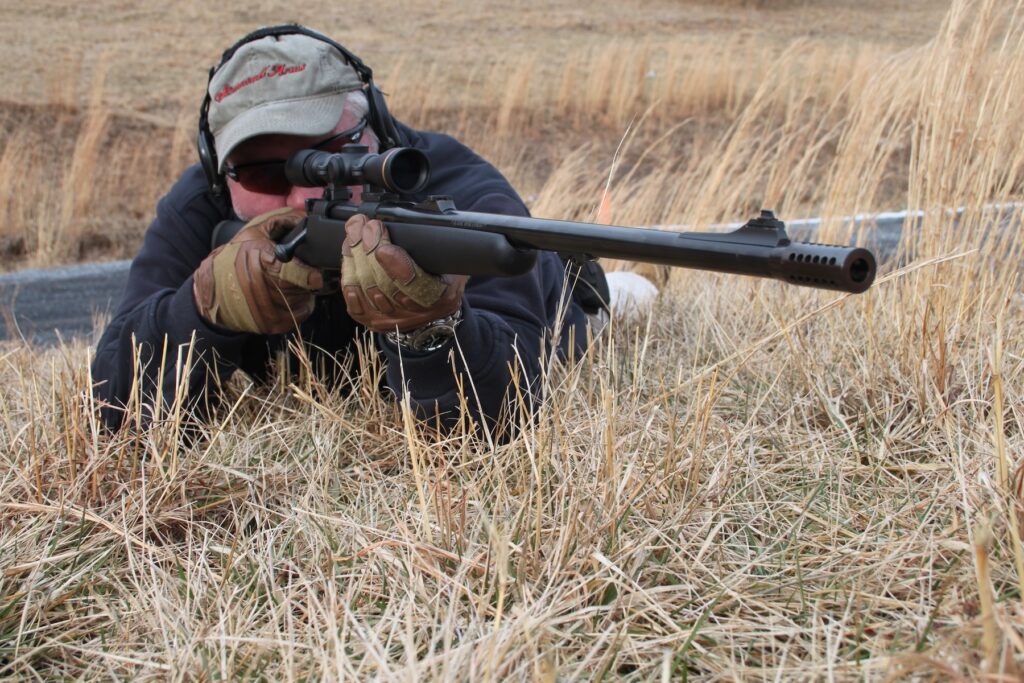
The Model 70 rifle weighs approximately 10lbs empty with MPI stock and Leupold scope mounted. Overall length of the rifle is nearly 44-inches to the tip of the installed B.E.S.T. brake. Federal 350 grain SP delivered 1 ¾-inch three round groups at 100 yards and the Federal 500 grain TBBC gave 2.25-inch groups. Hornady 500 grain DGS loads produced similar sized groups in the 2-inch range. Needless to say, bench testing was not a popular activity. A PAST recoil pad was used. After establishing a baseline for accuracy, the Model 70 was fired from field position as intended by the shooting gods for the rest of the evaluation.
Echo Valley Training Center’s Jungle Walk range was utilized for testing. The ability to move through its varied terrain and engage randomly situated targets suited the .458WinMag Model 70 evaluation perfectly. Humble deer targets were used in lieu of Cape Buffalo and Elephant targets; these were in short supply at my local gun store. Ranges involved were 15-80 yards with multiple shots fired at most of the targets. The emphasis was on accurate shot placement and working the tuned bolt without removing the rifle from the shoulder. The low 1.75x setting on the Leupold Vari-X-III allowed for a wide field of view and quick target assessment/engagement.
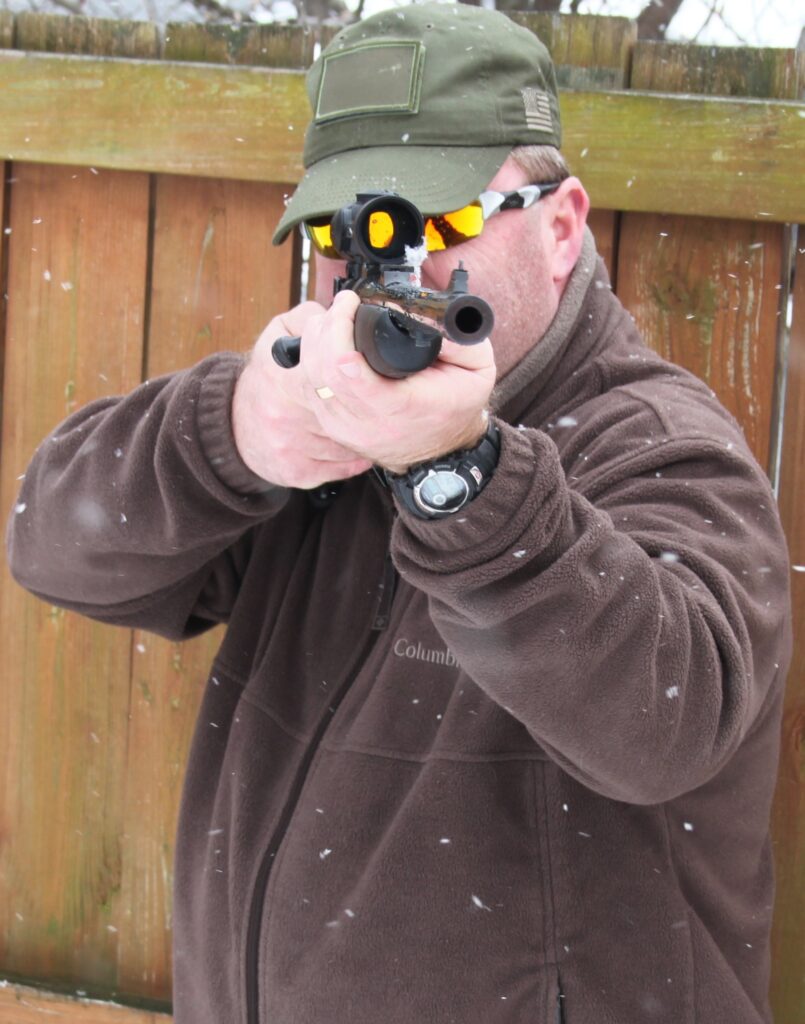
The MPI stock combined with B.E.S.T. brake tamed recoil to manageable levels even with the 500gr .458WinMag loads. The 100 plus rounds of Federal 350gr SP inherited via my father with the rifle were used for the bulk of evaluation. It was noticed that the Winchester Model 70 Classic Safari Express’s placement of the forward sling swivel on the barrel was no accident. A sling swivel on the rifle’s forend would have proven painful to shooter’s hand when dragged across one’s palm due to recoil forces. Make no mistake, while manageable due to MPI stock and Brockman’s B.E.S.T. brake, recoil with full power .458WinMag loads is not a pleasant experience, especially when firing more than a handful of times during a range session.
FINAL WORD
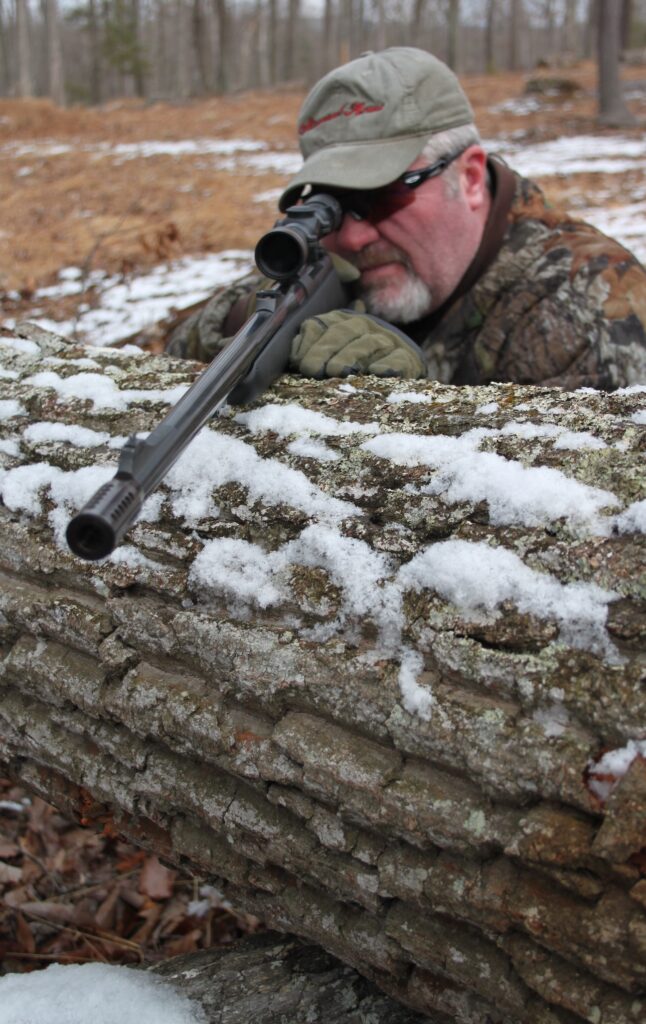
In summary, the .458 Winchester Magnum remains a top choice among reloaders and professional hunters who prioritize massive stopping power, reliability, and the ability to tailor ammunition to the most demanding game animal situations on the planet. Its legacy as an accessible, hard-hitting, and versatile dangerous game cartridge continues to influence ammunition design and hunting strategies worldwide. Perhaps one day the Winchester Model 70 will finally make it to the hunting destinations intended by my father.