
Few things are more frustrating than spending hours at the reloading bench only to find out that your handloads don’t produce the tight groups you expected at the range.
The good news is that most accuracy problems can be traced to a couple of common mistakes. Be it a precision rifle, hunting rifle, or even a competition handgun, identifying and correcting these issues can dramatically improve your results.
If your reloads aren’t grouping as well as factory ammunition—or as well as you know they should—start by examining these ten common accuracy killers.
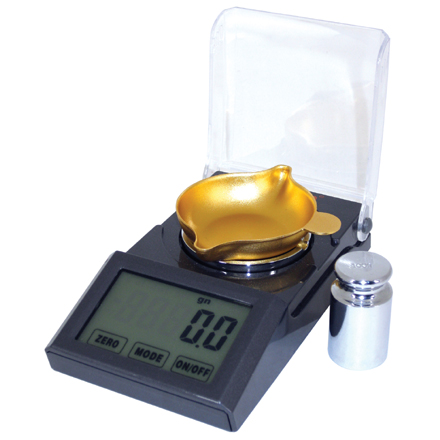
1. Inconsistent Powder Charges
One of the common causes of poor accuracy is inconsistent powder charges.
Small variations can lead to differences in velocity, and this leads to vertical stringing downrange. We see this more clearly as distance increases.
To improve consistency:
* Do your scale check its accuracy regularly.
* You will need to use a good powder measure.
* Use trickling charges for precision rifle loads.
* Check every tenth charge when loading.
Consistency is king when it comes to precision ammunition.
2. Poor Case Preparation
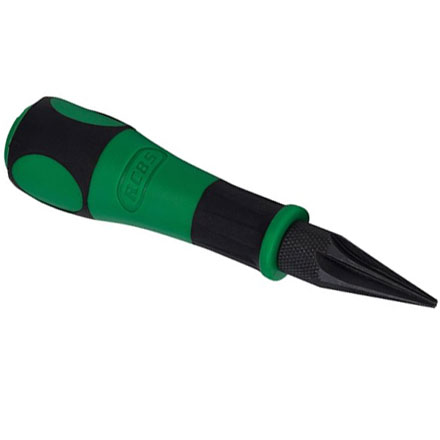
Brass is the basis for every reload.
Cases of different lengths, neck tension, or primer pocket dimensions can lead to inconsistencies which can affect accuracy.
For best results:
* Cut brass to a uniform length.
* Deburr and chamfer case mouths.
* Uniform primer pockets when appropriate.
* Check brass for defects before loading.
Many experienced reloaders have noticed that meticulous case preparation leads to a significant increase in group size.
3. Inconsistent Neck Tension
Neck tension is said to affect how firmly a bullet is held in place before firing.
If one cartridge releases its bullet differently than the next, pressure and velocity can vary significantly.
Common causes include:
* Mixed brass manufacturers.
* Uneven case wall thickness.
* Worn sizing dies.
* Lack of lubrication during sizing.
A neck tension that is sustained is one of the most overlooked aspects of precision handloading.
4. Bullet Seating Depth Issues
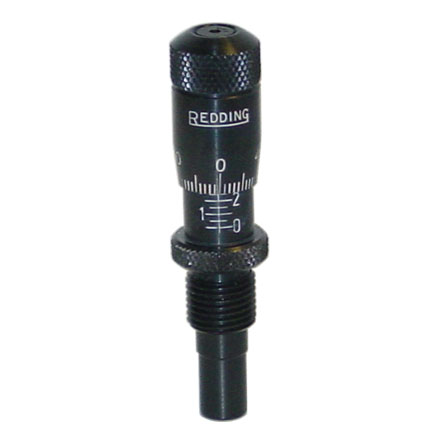
Bullet jump, the distance a bullet travels before the rifling is applied, can have a large impact on accuracy.
A surprising number of rifles are surprisingly sensitive to seating depth.
If your loads are not grouping:
* Research different seating depths.
* Change depth in small increments.
* Keep track of details during testing.
As a result, a small adjustment can reduce group sizes in half.
5. Mixed Brass
Not all brass is created equal.
There are many products that manufacturers make with different internal capacities, wall thicknesses, and hardness characteristics.
Brass brand mixes can cause mixed pressures and velocities.
For serious load development:
* Sort brass by manufacturer.
* Keep lots separated.
* Track the number of firings.
Consistency of components leads to consistency on target.
6. Improper Primer Selection
Primers do more than ignite powder; they are needed so that it is consistent with ignition and pressure.
If the primer is wrong, it can affect accuracy.
Factors to consider include:
* Standard vs. Magnum primers.
* Match-grade primers.
* Powder type.
* Cartridge size.
Many reloaders come to understand that changing primers leads to measurable improvements in the group size.
7. Velocity Variations
Extreme spread (ES) and standard deviation (SD) matter.
Loads that produce large velocity swings typically produce larger groups, especially at longer distances.
A chronograph can help in identifying problems that are not so obvious from group size alone.
Look for:
* Consistent velocities.
* Low standard deviation.
* Predictable performance across temperature ranges.
Good load development is a combination of group testing and velocity analysis.
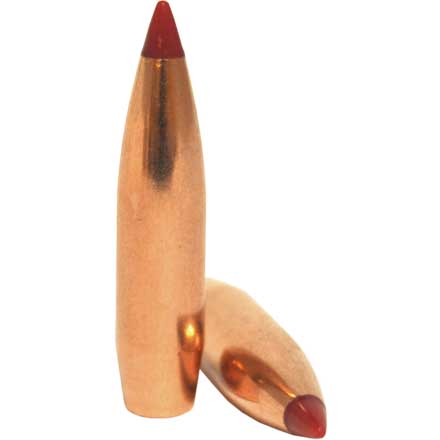
8. Bullet Quality Problems
Even the best-assembled ammunition is not enough to make up for inconsistent projectiles.
Budget bullets are good for practice but may not do the job for competition or long-range shooting.
When accuracy matters:
* Use premium match bullets.
* Inspect bullets for damage.
* Don’t deform tips during seating.
The bullet is ultimately responsible for providing accuracy to the target.
9. Shooter-Induced Error
Sometimes the problem isn’t the ammunition.
Poor shooting fundamentals can mask excellent loads.
When you blame your reloads, verify:
* Proper trigger control.
* Consistent shooting position.
* Stable rests or bipods.
* High-quality optics and mounts.
A good benchrest test can help separate ammunition problems from shooter error.
10. Skipping Load Development
As a result, reloaders expect a single recipe to work perfectly with any rifle.
But each firearm is unique.
What shoots very well in one rifle can do poorly in another.
A structured load development process should include:
* Multiple powder charge weights.
* Different seating depths.
* Careful record keeping.
* Chronograph data.
Patience in the development of load is always the most successful way to achieve long-term results.The Bottom Line
When reloads fail to group, the answer is not a complete redesign of your process. Accuracy problems are usually caused by small mistakes that compound through the loading cycle, more often by small inconsistencies.
In this work, we start with powder charge consistency, brass preparation, neck tension, and seating depth. Then work through the rest of the variables one by one.
The most successful reloaders treat accuracy as a process of elimination. Control variables and maintain consistency, and you’ll get ammunition that produces the performance your rifle is capable of achieving.
So precision isn’t a result of an accident—it’s the result of close attention to detail at every step of the reloading process.