
by Jonathan Kilburn
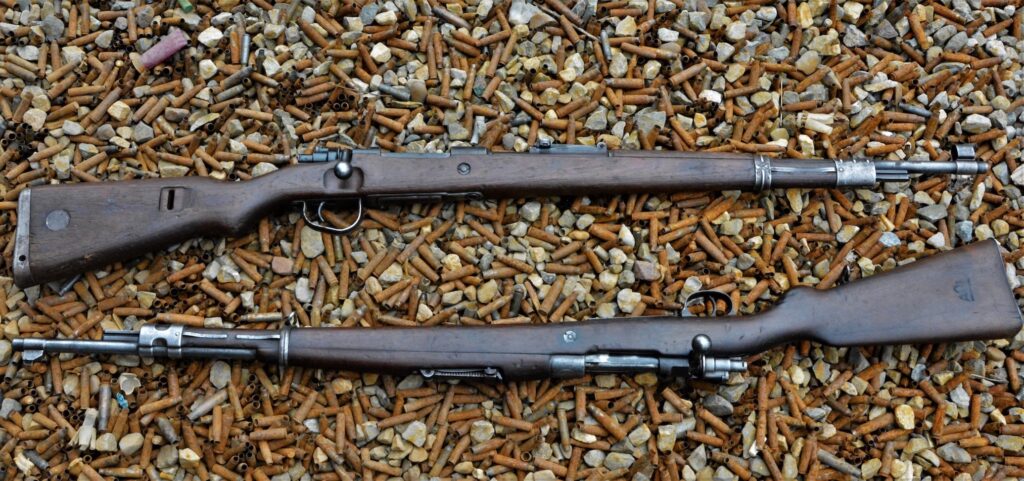
In 2019-2020 the most memorable thing to happen was probably COVID. However, one of the most exciting things for gun owners happened to come out of Africa. IO Inc and Royal Tiger Imports were able to bring in a large collection of surplus rifles from Ethiopia which had been 10 years in the making. Some of these guns date back to the late 1800s, but the majority are surplus from both World Wars. This is something that hasn’t been seen in a long time and might not be seen any time in the near future.
After some telephone calls with IO Inc owner/operator Uli Wiegand, I was graciously provided the opportunity to handle, fire, and use some of the imported guns for myself. With travel restrictions in effect all across the country, two rifles had been sent out to my local FFL. Upon receiving the package there were two rifles: a Czech-made K98K and an FN M1930 with Ethiopian markings.
A little history: Ethiopia has a long history of being well-armed and proven in combat. Not to provide too much detail, but they fought off the Ottoman Empire, the Egyptians, and several other foreign invaders in order to preserve their independence – most famously the Italians. During the early 20th century, officers trained at the First Russian Cadet School. Between 1917-1935 Ethiopia began to purchase and import FN manufactured rifles made specifically for Ethiopia, and rearm WWI firearms. After WWII, and a military reorganization following Italian occupation, Ethiopia began to train and work with the former Allied forces – most notably the British and American Forces. This actually threw them into the Korean War with American forces and continued to work side by side until 1974.
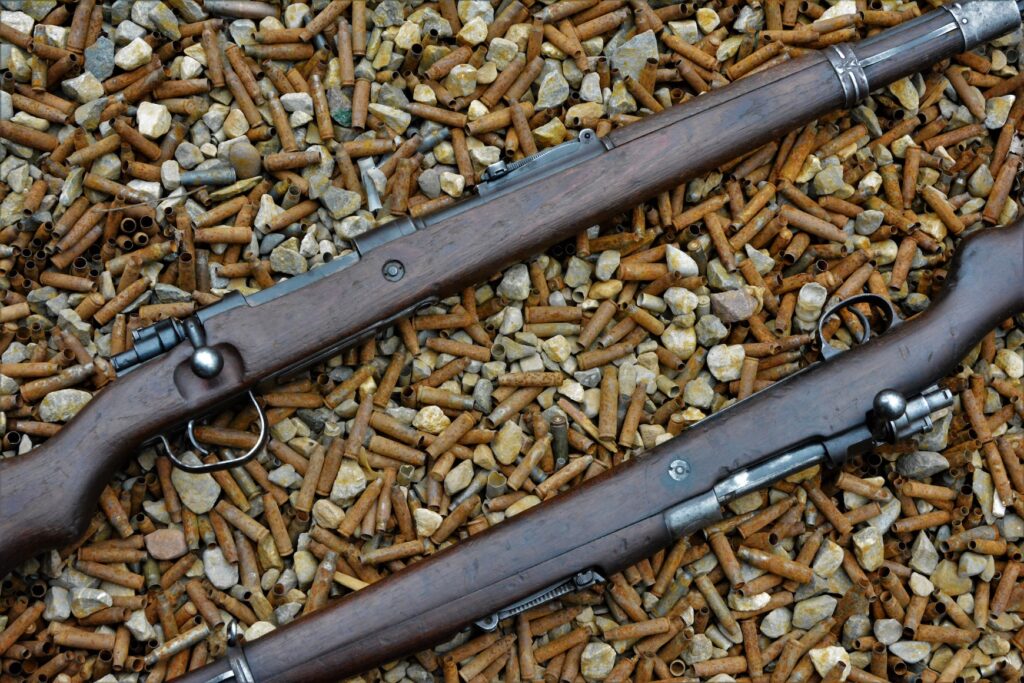
The rifles that have been imported are from the late 1800’s until the early ~1970’s. Royal Tiger Imports has brought in everything from 1891 Carcano to VZ52s all the way to M1 Carbines. The diversity of the firearms is extensive and IO Ince/Royal Tiger Imports is doing a great job having them brought to market.
Guns in Hand:
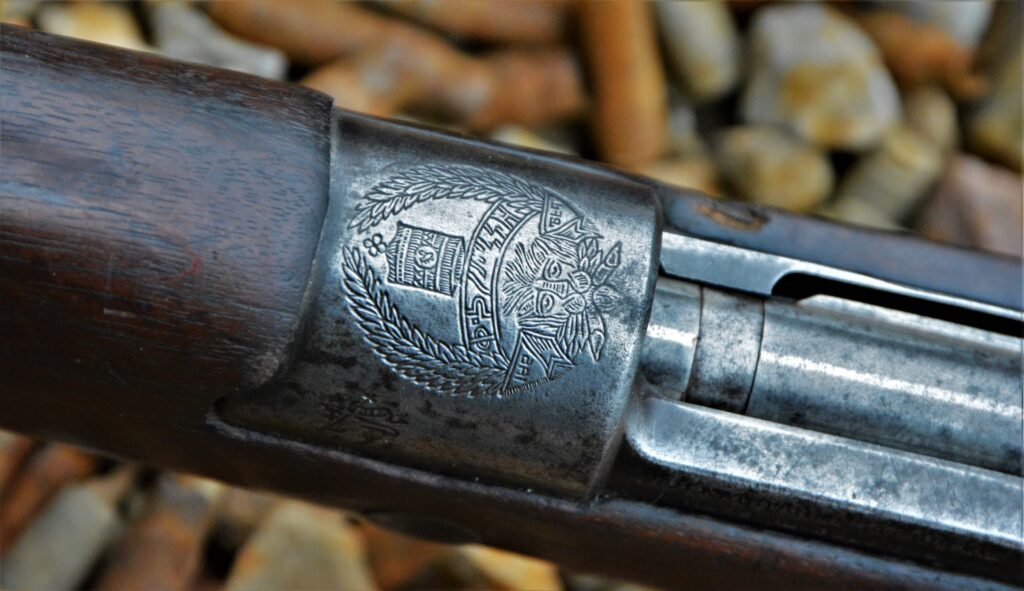
The FN 1930 Ethiopian contract is an outstanding rifle. Emperor Haile Selassie I ordered these rifles directly from FN after they began rebuilding their machinery that had been stolen by the Germans during WWI. These are nearly the same as the 1898 Mauser and stamped on the receiver with a beautiful Abyssinian Crest.
While this particular model is not matching, it’s not uncommon to find mismatched parts with the amount of use this rifle probably had. The bolt fits slightly loose, but not out of battery. The bore is rough as it probably saw thousands of rounds of corrosive ammunition. One of the benefits of this rifle is that it probably was stockpiled in a dry, warm environment. In addition, the trigger guard looks to be a milled piece and the upper and lower band appear to be thick and in excellent condition.
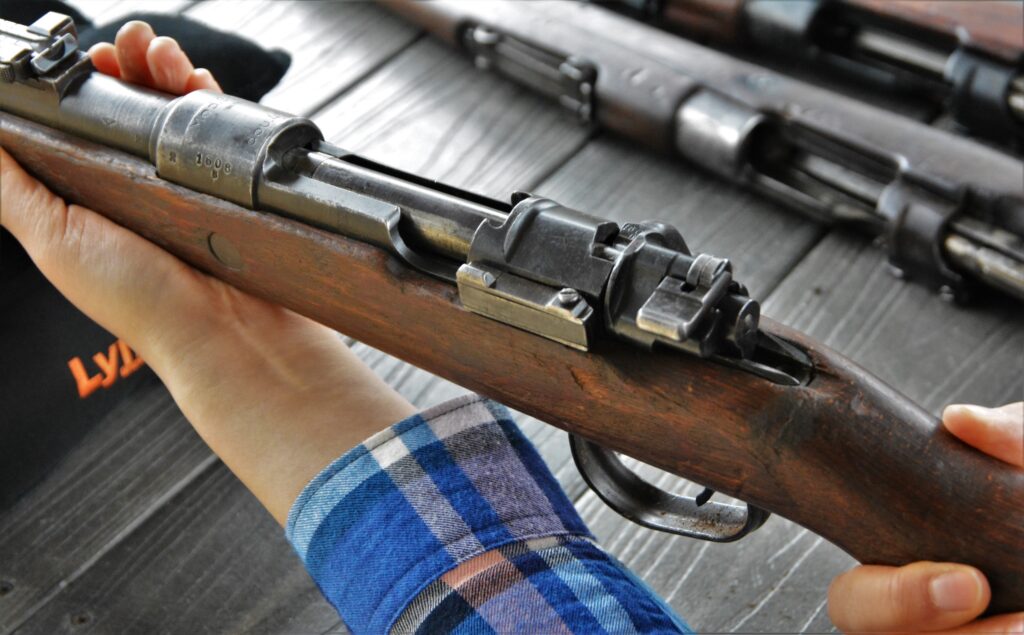
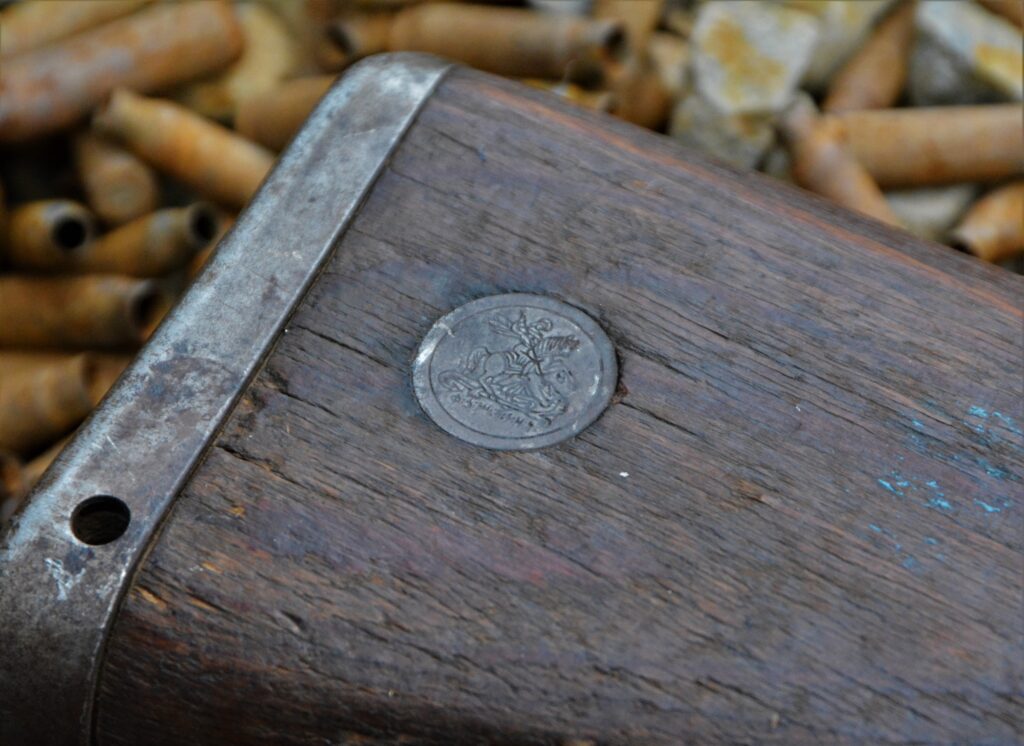
The Czech-made K98K is also a rare example. The rifle sent to me was a number matching example and used for RTI’s website stock photo. While it has no specific Ethiopian/Abyssinian Crest, it does feature the St. George Coin in the stock. On top of that, there is both a Czech proof stamp and Nazi eagle stamp on the barrel. The barrel bands and trigger guard are stamped; with the addition of the bolt takedown hole incorporated into the metal buttstock protector and dou-45 – Waffenwerke Bruenn AG, Werk Bystrica – and an early post-war example given the Nazi markings. This model is very similar to the Israeli K98 which was funneled through Ethiopia on its way to Israel. The bluing on this rifle is excellent. While both barrel bands and barrel have significant bluing wear, the receiver looks to have 90%. It’s worth noting, the front sight hood is still attached to this rifle. With a near-perfect bore and bluing wear in this pattern and no bolt pitting, it’s possible this was a lightly fired guard’s rifle and is a prime example.
On the Range:
The FN 1930 worried me at first. With the extent of the bore corrosion and the mismatched bolt, I was skeptical of the accuracy and function. With a ton of cleaning the bore did look better but not great. It seemed like there were 50 years of dirt, dust, and corrosion that was pushed out with the cleaning patches. The mismatched bolt has some pitting from over-gassed military ammunition, but it was minimal at most. Loading up with 60’s non-corrosive surplus ammunition fed smoothly and didn’t bind while locking in tightly.
I took aim at 50 yards with the irons with the expectation of keyholing. Since the military bore should be .323” and there was excessive corrosion, it could be somewhat inaccurate. In the first 4 round group, the rifle performed well with little recoil. Ejection was sufficient, but the ejector was definitely worn in. The group ended up resulting in a 5 MOA group overall. Not outstanding, but not surprising, and a decent grouping for a well-worn rifle from 1930. The second group aimed a little better, but not by much at 5.5 MOA. There’s absolutely room for shooter improvement.
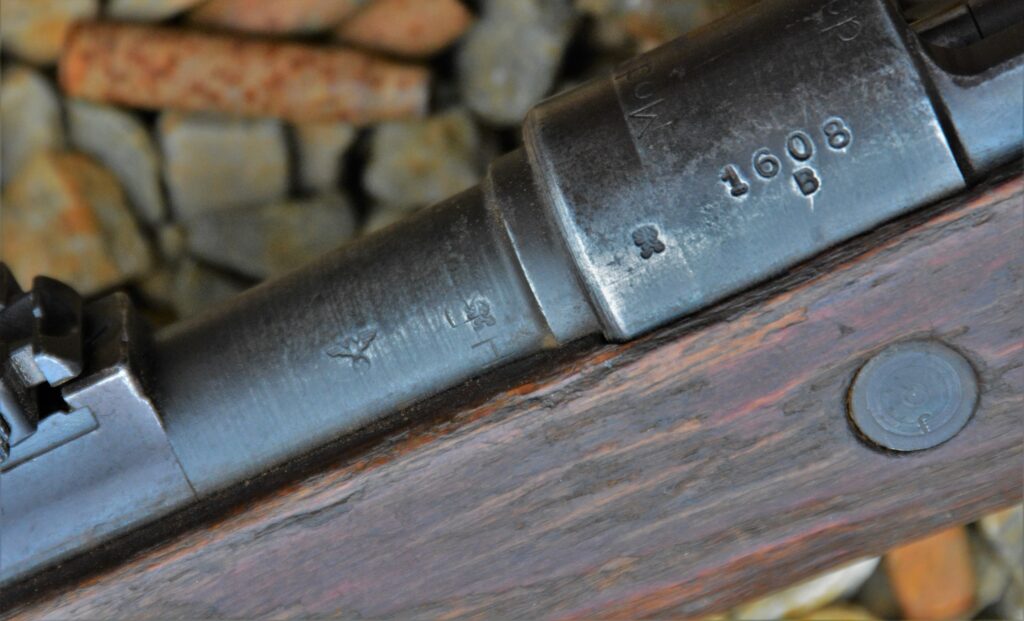
Taking up the K98K I was excited to put this one through some accuracy and functionality tests. The cleaning needed was minimal, but some of the screws needed slight tightening and inspection before use. Using the same 60’s surplus ammunition it had an extremely smooth bolt movement with a slight hang-up on the case head due to the feed ramp design. It set in tightly but didn’t take much effort to lock into place.
At 50 yards the rifle shoots incredibly well. The first grouping manages 3 MOA with slightly more kick than the FN, despite slightly more weight. Manipulating the bolt was very smooth and had very little to no wiggle. The accuracy was well within acceptable standards for an all-original rifle of its age. The second grouping was better with 2.75 MOA. This rifle is a winner.
What This Opens Up For The Reloader:
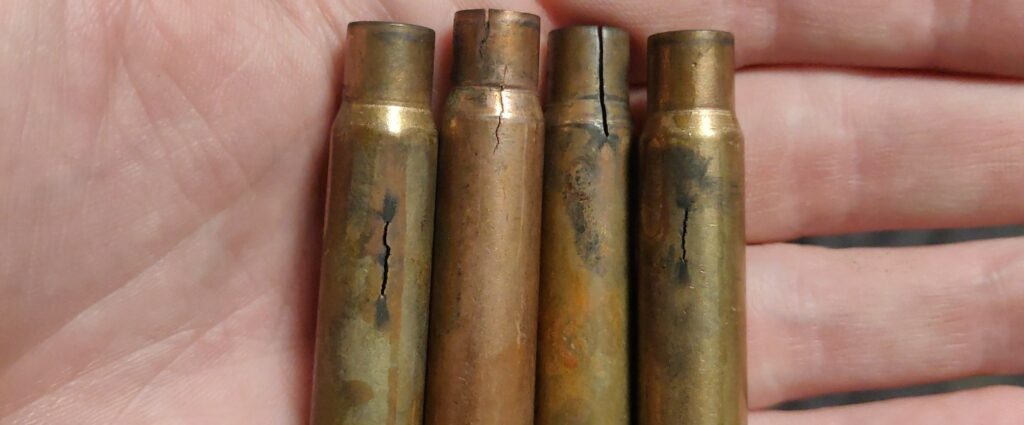
The unique heritage and use of these particular rifles means that they can be increasingly fragile. Reloading, specifically for each rifle, requires specialized and slowly increasing charges to ensure safety. As with anything from Royal Tiger Imports, the condition can range from perfect to wall hanger worthy. Considering where these particular rifles were stored, used, and came from, it’s worth being overly cautious. Some review of the casings used in the FN revealed cracking on the, now 90-year-old, ammunition. New ammunition shows bulging due to the poor boor condition. However, the K98 was perfect in extraction and case expansion.
Those who value these collectable firearms also value their own limbs and eyes. It’s one of the reasons to begin reloading, perfect ammunition suitable for the rifle being used. These two examples are no exception; in fact, they make the rule. 100-year-old steel, 80-year-old wood, harsh environments, and a service life far beyond standard capabilities demand safety and caution. Something handloading was build around.
The Last of the Era:
IO and RTI have brought in some outstanding, rare, and unique rifles to the American market. While the FN 1930 is not the most accurate rifle, it is an excellent example and collector’s piece. Very few people will have an opportunity to shoot or even own. However, RTI has made ownership a possibility.
The K98K is an outstanding example of an Ethiopian rifle and a historical reference. With the overall condition and bluing wear patterns, it’s safe to say this rifle was rarely fired. Even as an early post-war rifle, Czech quality does not disappoint. Based on the examples I was able to utilize, there is a wide range of quality and condition. That said, none of the rifles offered by IO Inc or Royal Tiger imports is anything to turn down. They have brought in some rare, beautiful, and affordable examples which many Americans are happy to receive and buy. Kudos to Uli for putting in all the work possible to make this happen.