
Most reloaders hit the same wall sooner or later. You follow proven data. You build a load that someone else has already had success with. Maybe it’s a friend, maybe it’s someone online, maybe it’s a rifle that looks identical to yours on paper. Same caliber. Same bullet weight. Same powder. Same charge. And yet when you shoot it, the results don’t line up with what you were told to expect.
This is usually where frustration creeps in. The load is supposed to work. It worked for them. If it doesn’t work for you, the assumption is that something must be wrong, either with the load, the process, or the rifle itself. What rarely gets questioned is the expectation that rifles sharing a caliber should respond the same way to the same ammunition.
They don’t, and once you understand why, reloading gets cheaper and less frustrating very quickly. 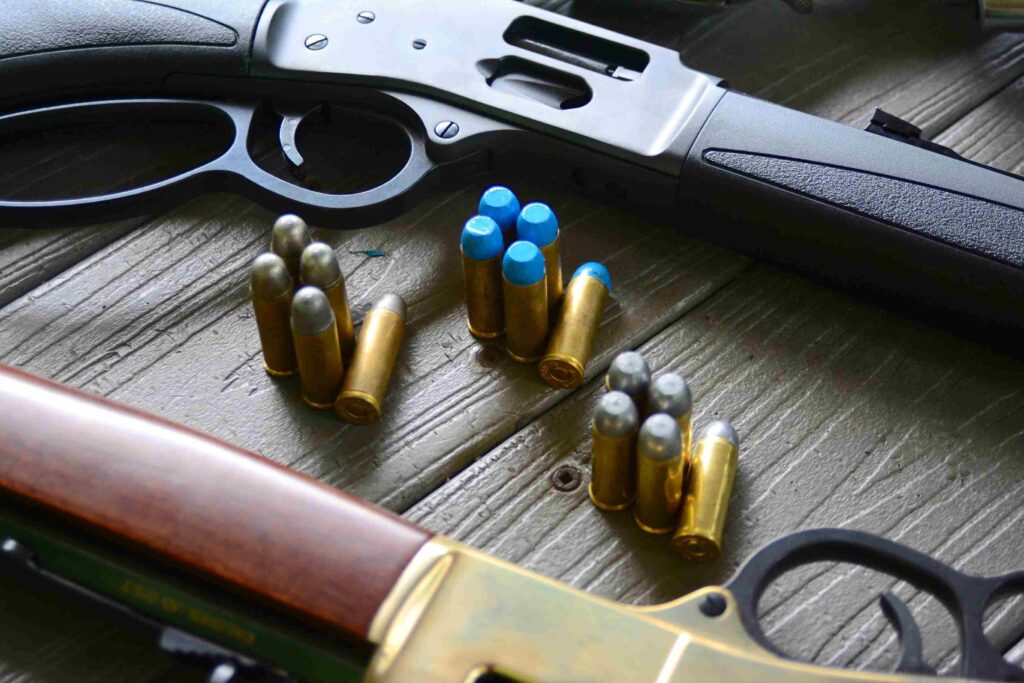
Rifles can be dimensionally the same but have different materials changing the ballistics, as in the case of these Henry Big Boy rifles.
I Used the Same Load. Why Doesn’t It Shoot the Same?
Reloading manuals and shared load data are built around necessity. Information has to be organized somehow, and caliber is the only structure that works at scale. A .308 load is listed as a .308 load, not as a load for one specific rifle with one specific chamber, throat length, barrel contour, and firing history.
Most reloaders understand this in theory, but it’s easy to forget in practice. When someone else’s rifle shoots a particular load well, especially if it’s the same model or comes from the same manufacturer, that load starts to feel transferable. Proven. Safe. Almost guaranteed.
When it doesn’t behave the same way in your rifle, the instinct is to start changing things immediately. Charge weights move up or down. Seating depth gets adjusted. Different components get substituted. All of that costs time, money, and components, and it often happens without addressing the real reason the load didn’t translate in the first place.
The issue usually isn’t that the load is bad. It’s that the expectation was unrealistic.
If It Worked for You, Why Not for Me?
Two rifles chambered in the same caliber can differ in ways that are impossible to see without specialized tools, and even then the full picture is rarely obvious. Chambers are cut slightly differently. Throats vary in length and angle. Barrels vibrate in their own patterns. Actions lock up with their own timing and feel.
Even rifles that come off the same production line can respond very differently to the same ammunition. One may be forgiving across a wide range of loads. Another may only settle down in a narrow window and fight you everywhere else. Neither rifle is wrong. They are simply different. 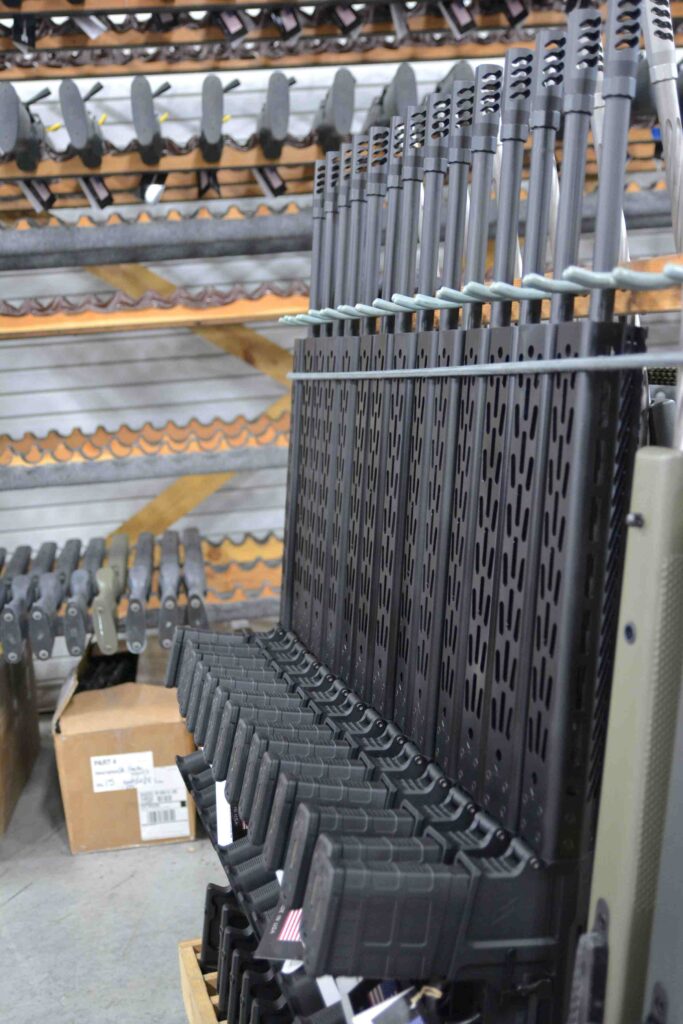
Every rifle that comes off the factory assembly line, like these Seekins rifles, will fire differently.
At the bench, this shows up as confusion rather than clarity. A load that felt calm and predictable in someone else’s rifle feels abrupt or inconsistent in yours. Velocity numbers don’t line up. Groups refuse to tighten the way you were led to expect. Nothing points clearly to a mistake because there usually isn’t one.
The rifle is doing what it does. The load just happens not to suit it.
When Adjusting the Load Becomes the Expensive Answer
For reloaders whose primary goal is saving money, this is where costs quietly start to accumulate. When a load doesn’t behave as expected, the default response is to keep adjusting until it does. More test rounds get built. More components get consumed. Small changes pile up, and the process starts to feel less like loading and more like chasing.
What often goes unrecognized is that some loads are simply not compatible with certain rifles, no matter how reasonable they look on paper. No amount of incremental tuning will turn them into something they are not. Continuing to push in that direction doesn’t just waste time, it wastes components trying to force an outcome the rifle isn’t inclined to give. 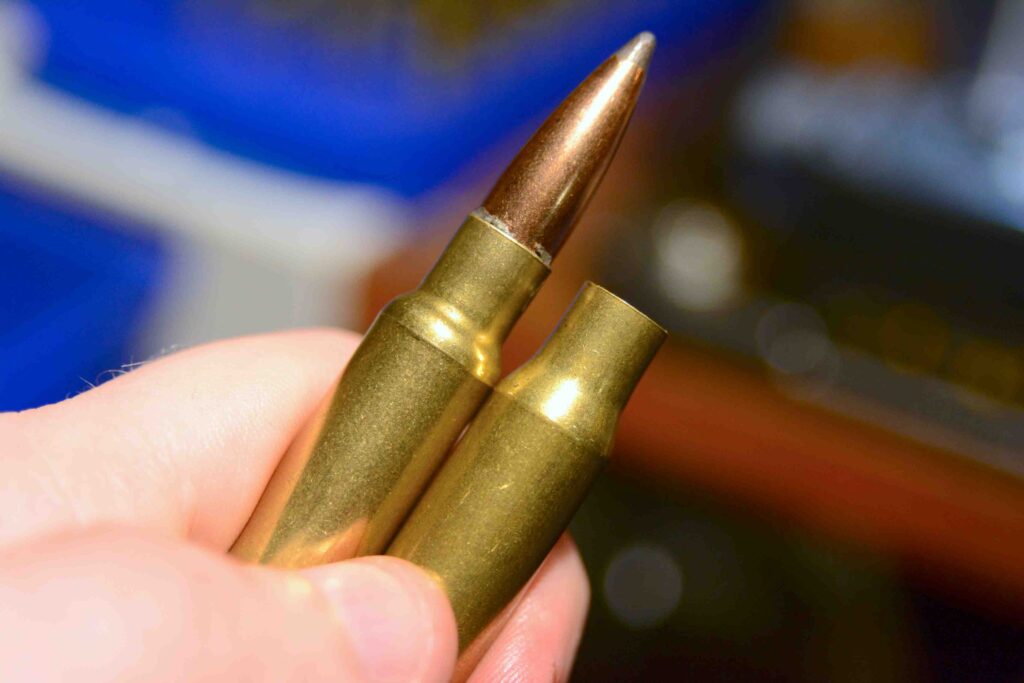 Even with factory loaded ammunition the cases may have slight changes and that is only made worse via handloading.
Recognizing this earlier changes the entire cost equation. Instead of trying to make a rifle accept a load it doesn’t like, you start looking for where the rifle naturally settles. That approach usually gets you to a usable, repeatable load faster, with fewer wasted rounds along the way.
At Some Point, the Rifle Has a Vote
Every rifle has its own preferences, whether the reloader wants to acknowledge them or not. Some are tolerant and easygoing. Others are particular and unforgiving. Understanding which one you’re working with matters far more than how closely your load matches someone else’s notes.
For reloaders focused on saving money, the practical shift is subtle but important. Stop assuming that a proven load is a destination. Treat it as a reference point instead. Pay attention to how your rifle responds rather than how closely your results match someone else’s experience. 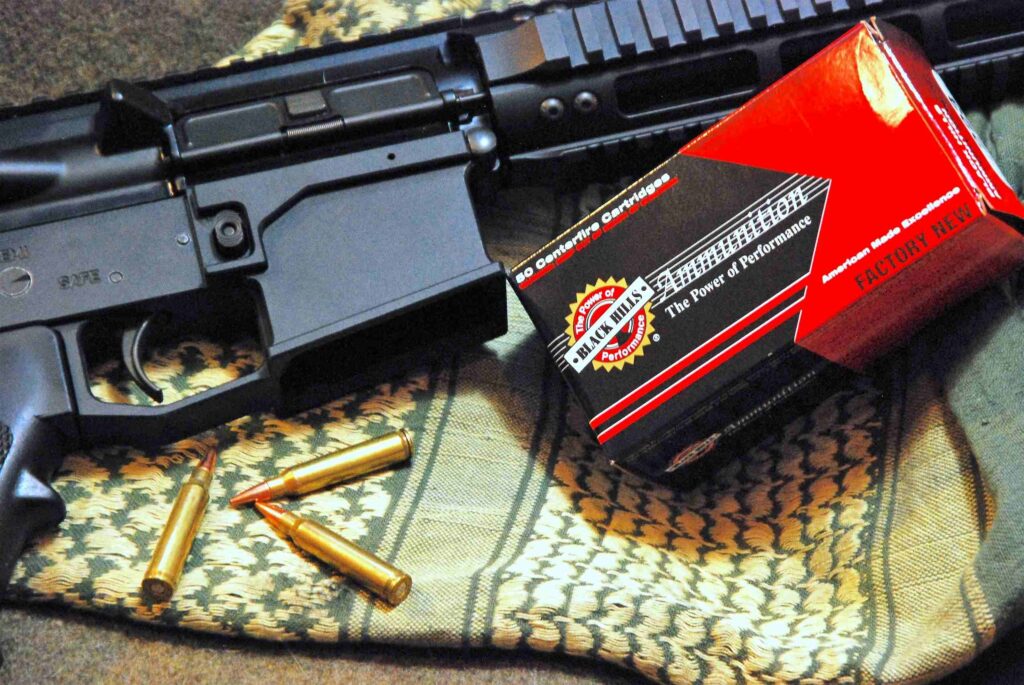 Factory ammunition is a good baseline for overall accuracy but can be improved depending on the rifle.
When you let the rifle lead instead of trying to force it into agreement, the process becomes more efficient. Fewer components get burned chasing solutions. Fewer sessions end in frustration. The loads you do settle on tend to be more predictable and easier to reproduce.
Reloading gets cheaper not when you find the perfect universal load, but when you accept that there isn’t one.