
In uncertain times, one rule has proven consistent across generations: those who prepare, prosper. From economic instability to supply-chain disruptions and natural disasters, the modern world offers plenty of reasons to take personal preparedness seriously. While preppers focus on everything from food stores to water purification, one aspect is often overlooked by beginners yet deeply valued by seasoned survivalists—the ability to reload your own ammunition.

Reloading is more than a hobby for firearm enthusiasts; it’s a practical skill that blends self-reliance, economics, and precision. As society becomes increasingly volatile, knowing how to produce your own ammunition can be an enormous advantage. And when combined with broader prepping strategies, it forms a powerful toolset for anyone seeking resilience during hard times.
Why Preparation Matters More Than Ever
Prepping is not about fear—it’s about foresight. The last decade has shown how fragile our systems can be. A viral outbreak, a closed production facility, a panic-driven buying spree, or a geopolitical crisis can wipe out entire categories of products from store shelves within days. Ammunition, in particular, has seen dramatic spikes in demand and equally dramatic dips in availability.
For anyone depending on firearms for hunting, homestead protection, or training, those shortages are more than inconvenient—they’re dangerous. Prepping fills that gap by offering the tools and strategies needed to stay functional and capable even when the world around you feels chaotic.
Successful preparation is usually built on three pillars:
-
Resource Independence – stocking items you can’t risk being without.
-
Skill Mastery – developing abilities that reduce your reliance on outside systems.
-
Adaptability – understanding how to pivot when circumstances change.
Reloading ammunition satisfies all three.
1. Cost Savings in the Long Run
Ammunition prices rise and fall constantly, but reloading components—powder, primers, brass, and bullets—tend to fluctuate less dramatically. While the initial setup requires some investment, the long-term savings can be substantial.
Handloaders can often produce high-quality rounds at a fraction of the cost of factory ammo, especially for high-volume calibers like 9mm, .223/5.56, or .308 Winchester. Hunters and precision shooters also benefit by crafting rounds tailored to their firearms, improving accuracy without paying premium-market prices.
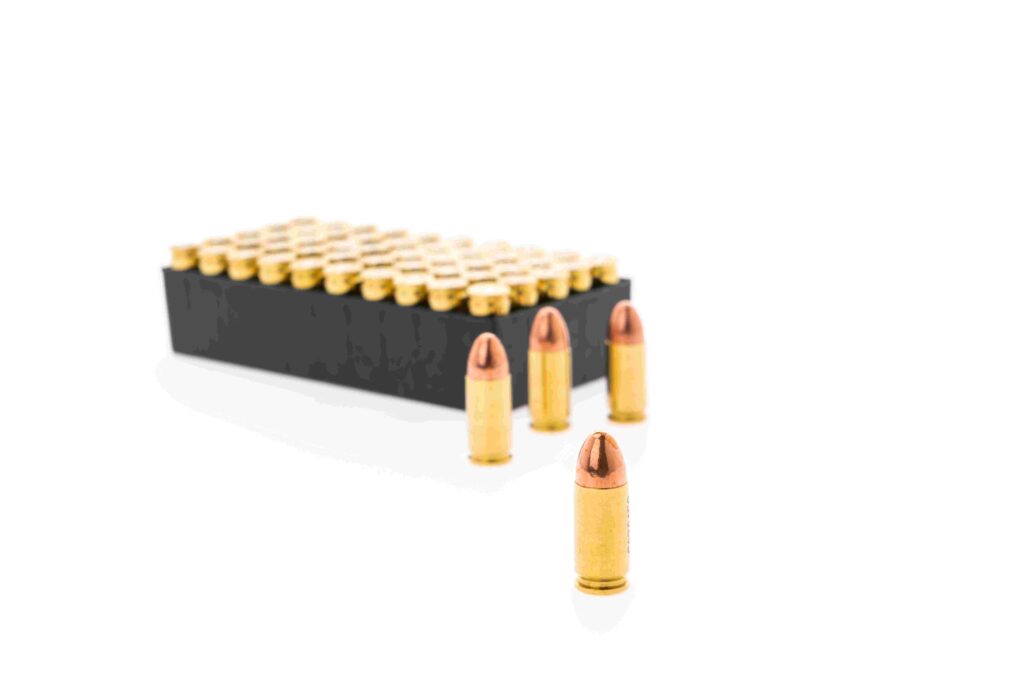
During shortages, when a box of ammo might double or triple in cost, reloaders simply continue producing at a stable, predictable expense.
2. Independence From Market Shortages
When panic buying hits, store shelves empty quickly. At the height of previous shortages, even common calibers like 9mm became difficult to find. For some, this meant skipping range practice or postponing hunting trips.
Reloaders, however, have the option to continue shooting as long as they have supplies on hand. Many smart preppers stock up on components—often easier to store and less likely to disappear completely from the market than finished ammunition.
This level of independence is invaluable. In a crisis, knowing you can manufacture your own ammunition without depending on retailers is a form of security few people enjoy.
3. Enhanced Performance and Customization
Factory ammunition must appeal to the average shooter. Reloaders, on the other hand, can tailor rounds to their specific needs. Want reduced-recoil target loads for younger shooters? You can build them. Need a hunting round that delivers optimal accuracy from a particular rifle? Reloading allows you to fine-tune powder charges and bullet styles until you find the perfect combination.

Accuracy improvements can be dramatic. Many shooters report tighter groups, smoother cycling, and more consistent performance with their handloads than with factory ammunition.
In hard times where every shot counts—whether for hunting or defense—precision matters.
4. Sustainability and Resource Efficiency
Brass cases can be reused multiple times, meaning a single cartridge case may live through many reload cycles before retirement. This extends your resources and reduces waste.
For preppers thinking long-term, the ability to reclaim brass from the range or field and convert it back into functional ammunition is not just economical—it’s sustainable.
Reloading also encourages smart inventory management. Tracking quantities of powder, bullets, and primers naturally teaches discipline in storing, organizing, and rationing supplies.
5. A Skill That Strengthens Community Resilience
In a world where skills are increasingly digital and specialized, practical knowledge is invaluable. Reloading is a skill you can teach to your children, pass to neighbors, or share within a community of fellow preppers. Skills create networks, and networks create resilience.
In a scenario where supply chains are compromised, having several people with reloading expertise can help a local community maintain the ability to hunt, train, and defend itself. Knowledge stored in people is more durable than any stockpile.
Safety Considerations: Reloading Done Right
Reloading is extremely safe when done correctly, but it requires attention to detail and respect for the process. Beginners must invest time in learning the basics: reading reloading manuals, understanding powder charges, and developing a workflow that minimizes error.
Modern reloading presses—from simple single-stage units to progressive presses capable of producing hundreds of rounds per hour—are designed with safety in mind. Still, the responsibility falls on the operator to follow best practices.
The good news is that once learned, safe reloading habits become second nature.
Reloading as Part of a Larger Preparedness Mindset
While reloading is powerful on its own, it becomes even more effective when integrated into a broader preparedness strategy. Consider pairing it with:
-
Firearm maintenance and repair skills
-
Knowledge of hunting and wild game processing
-
Secure storage solutions for weapons and reloading components
-
Training in home defense and marksmanship
-
Food storage and water purification systems
This combination develops layered resilience: if one system falters, another supports it. During stressful or dangerous times, redundancy saves lives.
Prepping is ultimately about reducing vulnerability, and ammunition reloading fits naturally into that philosophy.
The Mental and Emotional Benefits of Preparedness
Prepping often gets portrayed as fear-driven, but seasoned preppers know the opposite is true. Preparedness brings peace of mind. It removes uncertainty.
Reloading offers similar emotional benefits. There is a calming rhythm to producing your own ammunition. You gain confidence knowing that, regardless of political shifts, supply-chain issues, or sudden spikes in demand, you possess the knowledge and resources to stay equipped.
In many households, reloading becomes a family activity that teaches responsibility, patience, and craftsmanship. It’s a skill that bridges generations and helps instill the values of self-reliance and capability.
In hard times, the most valuable resources are the ones you can control—and the skills you can carry with you. Reloading ammunition embodies both. It reduces dependence on unstable markets, saves money, enhances firearm performance, and bolsters preparedness in a meaningful way.
Whether you’re a dedicated prepper, a hunter, a competitive shooter, or simply someone looking to build resilience, learning how to reload is an investment in security and self-reliance.
Hard times may come and go, but the skills you cultivate now will serve you for a lifetime.
For all your reloading supplies visit www.midsouthshooterssupply.com